
Loading articles...

Visualizing complex congenital heart defects (CHDs) remains a challenge for both families and trainees. Extended reality (XR) offers a promising solution to improve understanding and procedural planning, potentially improving outcomes in this vulnerable pop...
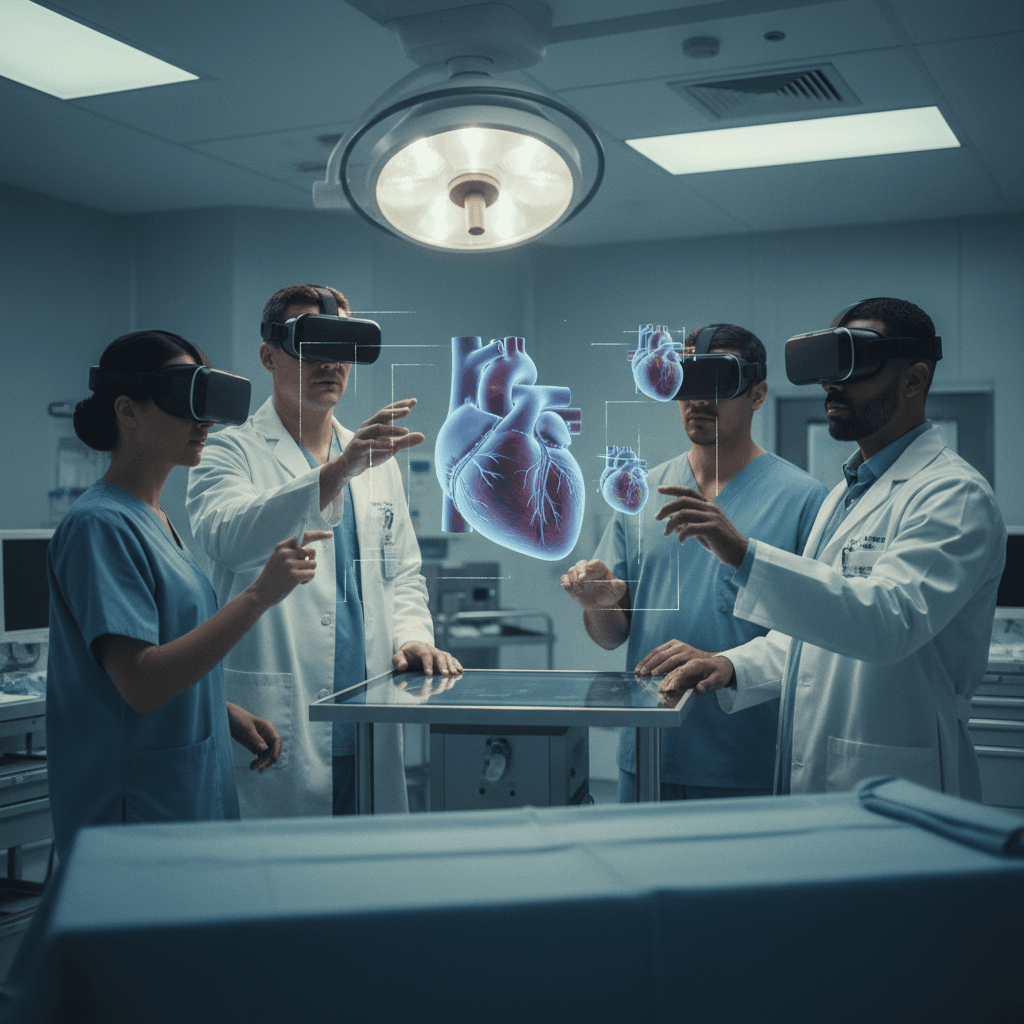
Extended reality (XR) offers new possibilities for congenital heart disease (CHD) care, enhancing both family education and trainee preparation. However, successfully integrating XR into clinical workflows requires careful planning to address cost, training...

For families facing congenital heart disease (CHD) diagnoses, understanding complex anatomy and surgical plans can be overwhelming, leading to increased anxiety and potential misunderstandings. Extended reality (XR) offers a promising tool for improving com...
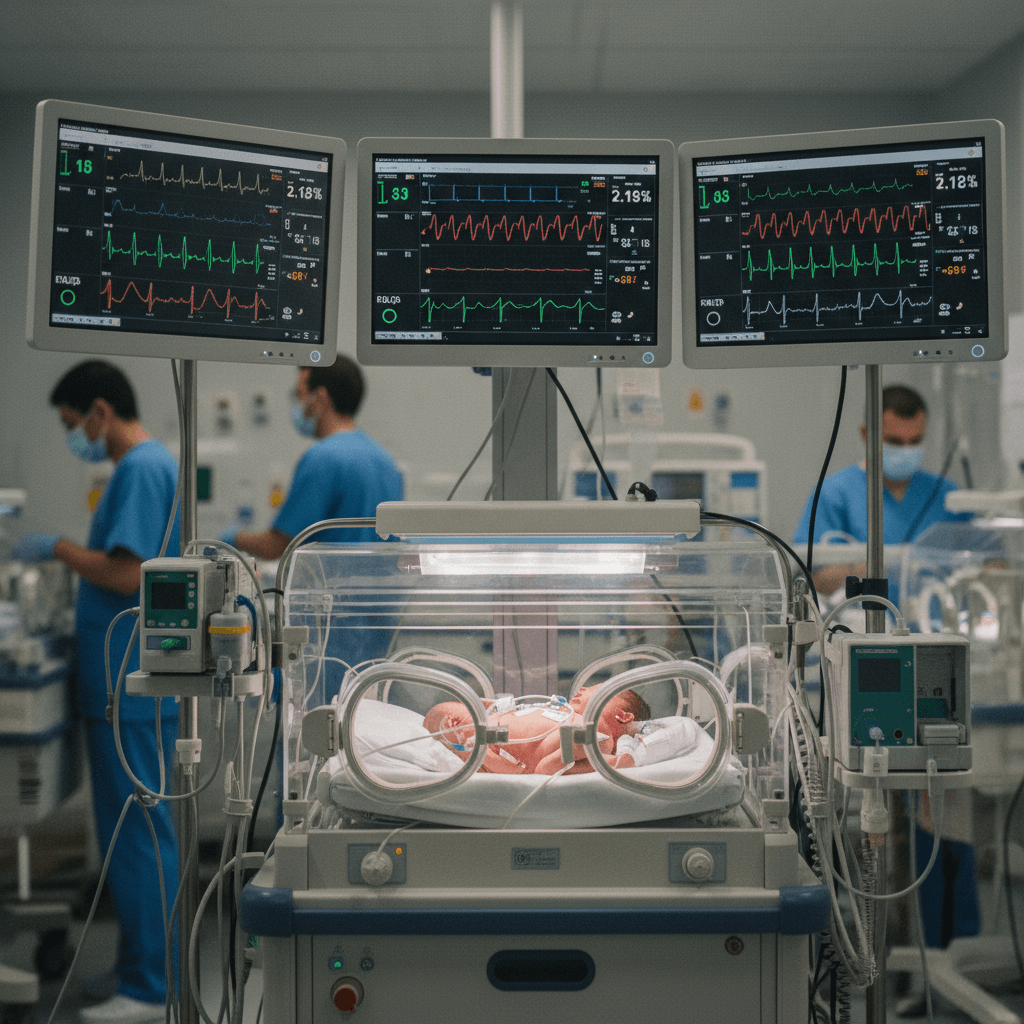
Neonates with concurrent congenital heart disease (CHD) and congenital neurological anomalies face significantly increased risks of mortality and prolonged hospital stays. This necessitates a multidisciplinary approach to risk stratification and resource al...
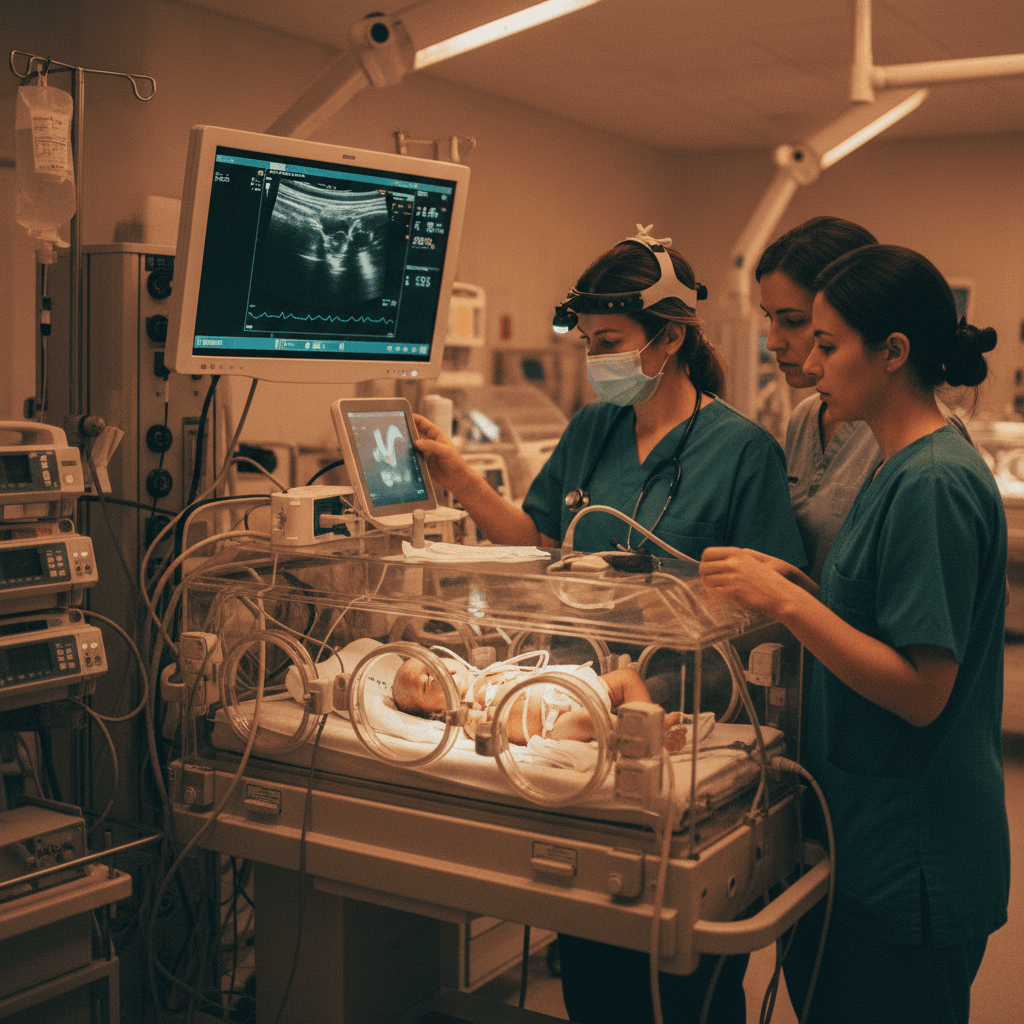
Neonates born with both congenital heart disease (CHD) and neurological anomalies face significantly worse outcomes. This reality demands enhanced prenatal screening and integrated neonatal care strategies.

Neonates with congenital heart disease and co-existing neurological anomalies face significantly increased mortality. Clinicians must interpret these retrospective findings cautiously, considering potential confounders and limitations.

In repaired tetralogy of Fallot, an AI-enabled electrocardiogram approach aims to guide timing of pulmonary valve replacement by recognizing electrical signatures of right ventricular remodeling. Early findings suggest clinically actionable discrimination v...

An AI-enabled electrocardiogram for repaired Tetralogy of Fallot was developed and externally validated to inform timing of pulmonary valve replacement. By translating surface ECG features into surrogates of right ventricular remodeling and clinical need, t...

In repaired tetralogy of Fallot, an artificial intelligence-enabled electrocardiogram was used to guide timing of pulmonary valve replacement by inferring right-sided remodeling from routine signals. Findings align the AI-ECG output with structural risk mar...

In repaired Tetralogy of Fallot, timing of pulmonary valve replacement is challenging. An AI-enabled electrocardiogram approach extracted high-dimensional features associated with clinically relevant endpoints to inform intervention windows. Findings sugges...