Loading articles...
 Autoinflammatory Diseases
Eosinophilic Disorders: Best Practices for HES and EGPA at ATS 2026
Managing hypereosinophilic syndrome (HES) and eosinophilic granulomatosis with polyangiitis (EGPA) presents diagnostic and therapeutic challenges.
 Acute Respiratory Distress Syndrome
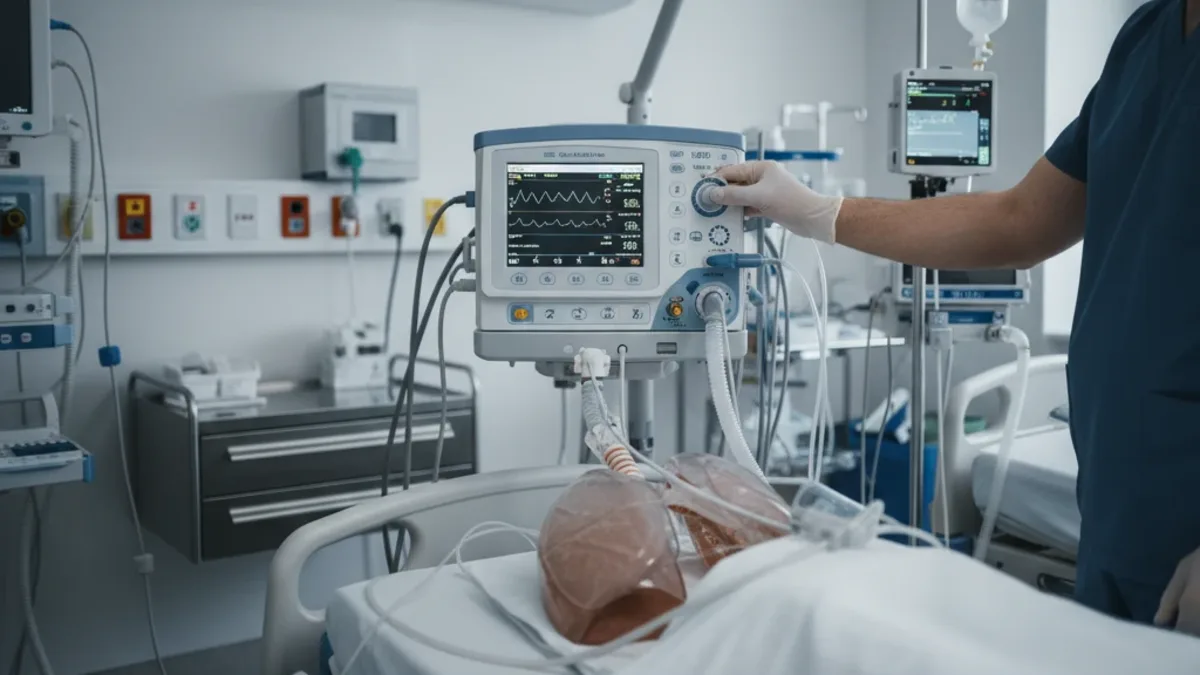
Ventilator Management: Foundations for Bedside Implementation
Effective mechanical ventilation requires precise setup and liberation strategies. Practical foundations are essential for optimal patient outcomes.
 Idiopathic Pulmonary Fibrosis
ILD Diagnosis and Management: A Practical ATS 2026 Update
ATS 2026 provided a practical framework for interstitial lung disease (ILD) diagnosis and management, emphasising multidisciplinary team approaches and early antifibrotic initiation.
 COPD
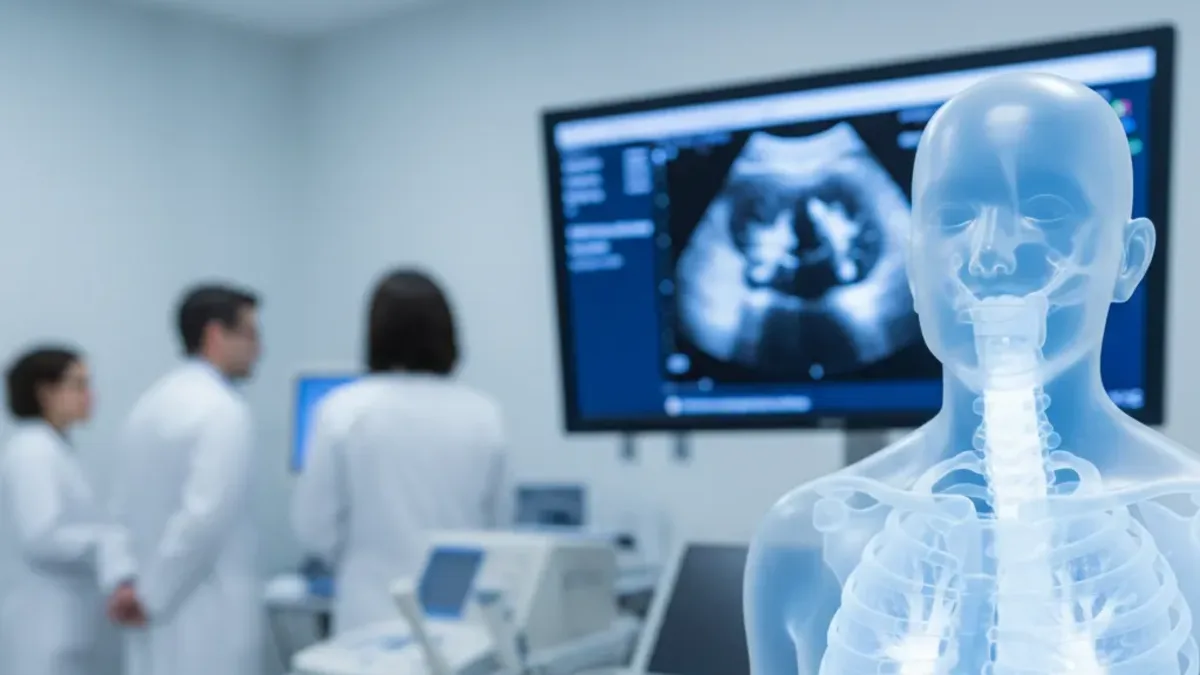
COPDATS 2026: Ultrasound Education Advances for Clinical Practice
ATS 2026 highlights advancements in ultrasound practice and instruction, addressing variability in operator proficiency and diagnostic accuracy.
 COPD
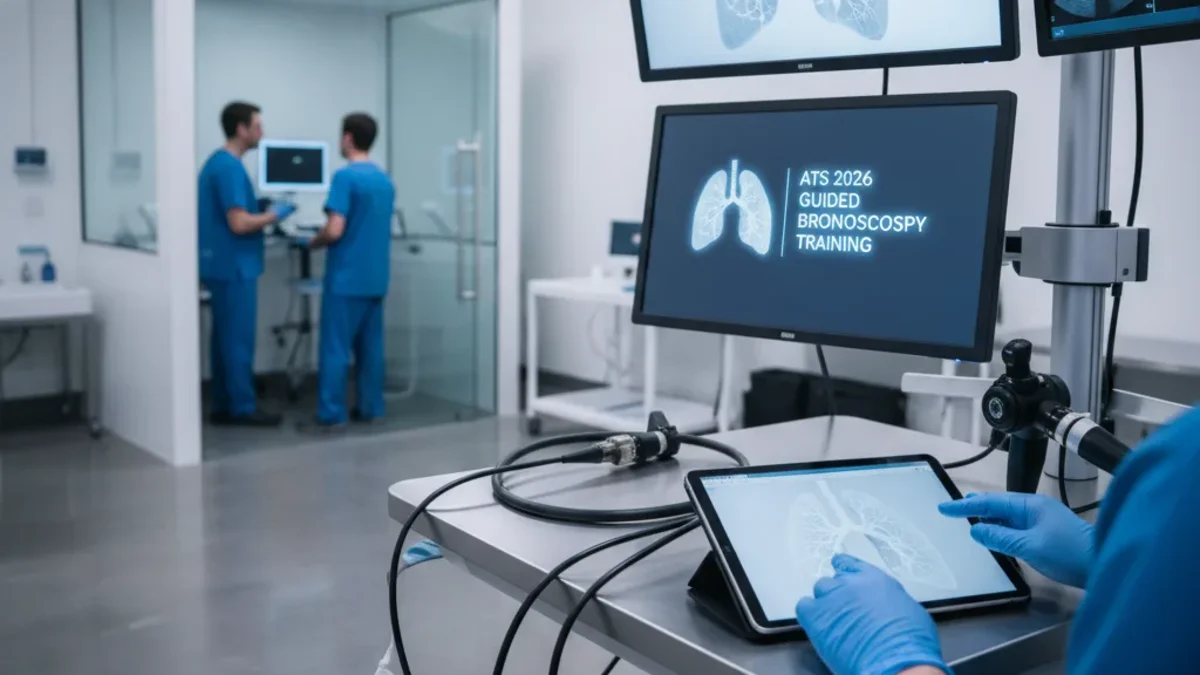
COPDBronchoscopy Training: ATS 2026 Focuses on EBUS and Guided Techniques
ATS 2026 will feature a hands-on guide to basic bronchoscopy, EBUS, and guided bronchoscopy, addressing the need for advanced procedural competency.
 Liver Cirrhosis
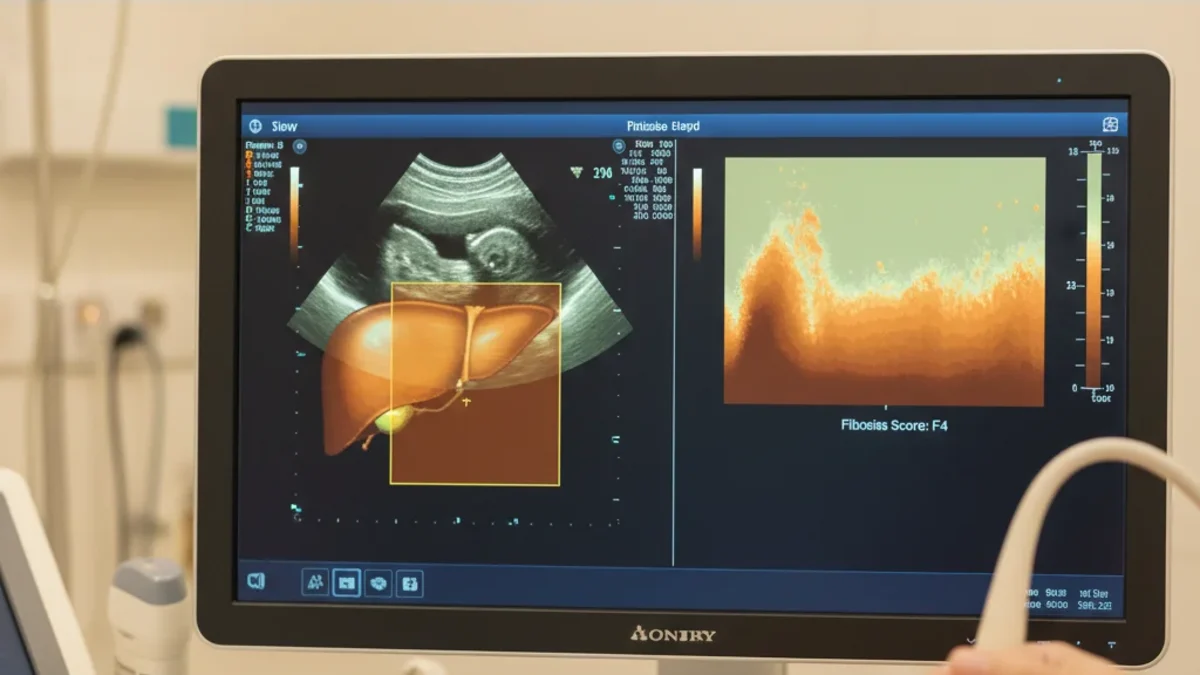
EASL 2026: Liver and Spleen Elastography for Fibrosis Assessment
EASL 2026 will feature a Skills Learning Centre on liver and spleen elastography, highlighting its role in non-invasive fibrosis assessment.
 Influenza
Cephalosporin Prescribing Falls Short of Guidelines in Tertiary Care
New prospective data from South India and South Africa expose persistent gaps in cephalosporin appropriateness, de-escalation, and resistance-informed prescribing.