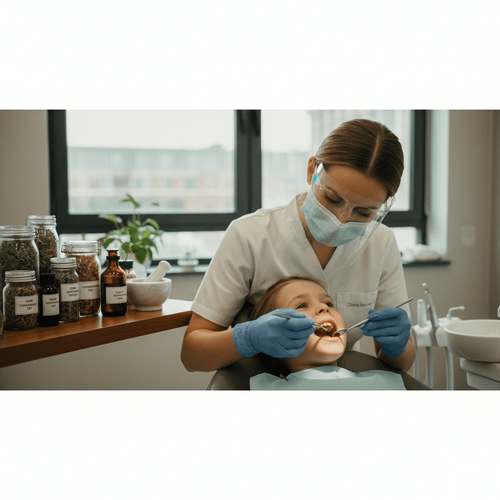
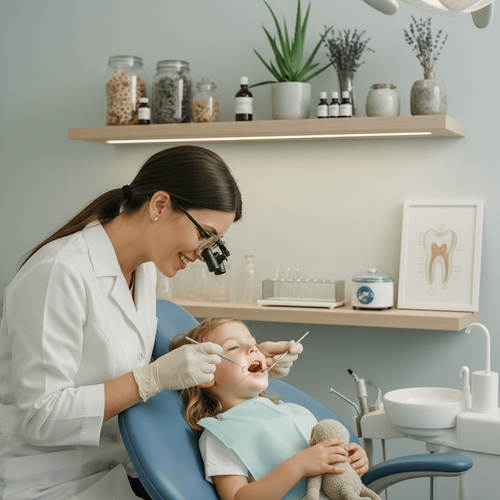
The integration of phytotherapy- the use of plant-derived medicines- into pediatric dentistry presents both opportunities and challenges. While some parents are increasingly drawn to natural remedies for their children, the evidence supporting their efficacy and safety in dental applications often lags behind conventional treatments. This creates a complex scenario for dentists who must balance patient preferences with evidence-based care.
A recent narrative review highlights the current state of knowledge regarding phytotherapy in pediatric dentistry. However, translating this knowledge into practical clinical advice requires a nuanced approach. We need to equip ourselves with the tools to have open and honest discussions with parents, manage expectations appropriately, and ensure that any use of herbal remedies is both informed and safe. The stakes are high when dealing with children's health- we must tread carefully.
Clinical Key Takeaways
lightbulb
- The PivotThe discussion must shift from simply dismissing parental interest in herbal remedies to engaging in informed risk-benefit conversations.
- The DataThe review found inconsistent evidence for many herbal remedies, with studies often lacking methodological rigor and standardized preparations.
- The ActionClinicians should meticulously document discussions about complementary medicine, including potential interactions with conventional treatments and the rationale behind any recommendations or agreements.
Evidence Assessment
Before even considering phytotherapy, a critical appraisal of the available evidence is mandatory. The narrative review likely highlights a common problem- the evidence base for many herbal remedies is weak. Studies are often small, poorly controlled, and use varying preparations and dosages. This makes it difficult to draw firm conclusions about efficacy or safety.
Clinicians need to be adept at interpreting research findings and understanding the limitations of the available data. This includes assessing the quality of the studies, the relevance of the findings to pediatric populations, and the potential for bias. Are the studies reproducible- and more importantly, are the preparations used in the study even available to us? A lack of rigorous evidence does not automatically negate the potential benefit of a treatment, but it does increase the level of caution required.
Risk Communication
Open and honest communication with parents is paramount. This involves explaining the limitations of the evidence, outlining the potential risks and benefits of both conventional and herbal treatments, and addressing any misconceptions or concerns. Parents need to understand that "natural" does not automatically equate to "safe".
Specific risks to discuss include potential allergic reactions, interactions with other medications, and the lack of standardized dosing. It's crucial to frame the discussion in a way that is both informative and respectful of parental beliefs. Instead of dismissing herbal remedies outright, acknowledge the reasons for their interest while emphasizing the need for caution and evidence-based decision-making. For example, discuss the lack of regulation around herbal medicine manufacturing.
How do you actually *do* this? Begin by asking about the parent's reasoning. What are they hoping to achieve with this alternative therapy? What research have *they* done? Next, lay out the knowns and unknowns. Use phrases like, "While some studies suggest X, these studies are small and of low quality." Always end with a joint decision. "Given the current information, what makes the most sense to you?"
Product Standardization
One of the major challenges with phytotherapy is the lack of standardization in product manufacturing. Unlike conventional medications, herbal remedies are often not subject to rigorous quality control. This can lead to inconsistencies in potency, purity, and even the presence of contaminants. If a parent is insistent on using a particular herbal remedy, recommend that they choose products from reputable manufacturers that adhere to good manufacturing practices.
However, even with reputable manufacturers, it's difficult to guarantee the consistency and quality of herbal products. Clinicians should advise parents to report any adverse effects or unexpected outcomes. Given the potential risks, it may be prudent to avoid recommending or endorsing specific herbal products altogether. The safest approach is to focus on conventional treatments with established safety and efficacy profiles.
Integrative Approaches
While caution is warranted, there may be situations where an integrative approach is appropriate. This involves combining conventional treatments with complementary therapies, such as phytotherapy, in a way that is both safe and evidence-informed. For example, herbal remedies might be considered as an adjunct to conventional pain management for mild dental discomfort, but *never* as a replacement for necessary dental procedures or treatments for serious infections.
Any integrative approach should be carefully monitored and documented. Clinicians need to be aware of potential interactions between herbal remedies and conventional medications, and they should closely observe patients for any adverse effects. It's also important to set realistic expectations. Parents should understand that herbal remedies may not provide a complete solution and that conventional treatments may still be necessary.
Ultimately, the goal is to provide the best possible care for the child while respecting parental preferences. This requires a collaborative approach, where clinicians and parents work together to make informed decisions based on the available evidence and the child's individual needs.
The use of phytotherapy introduces several practical considerations. Currently, there are no specific billing codes for prescribing or administering herbal remedies in pediatric dentistry. Time spent counseling parents on the risks and benefits may be billable under existing consultation codes, but this should be clarified with payers. The workflow may need to be adjusted to accommodate more extensive patient education and documentation. This also adds to the patient's burden, requiring increased vigilance and communication from the parents. Be prepared to direct them to appropriate information sources, such as the National Center for Complementary and Integrative Health (NCCIH).
LSF-4756101253 | December 2025

How to cite this article
Sato B. Phytotherapy in pediatric dentistry-guiding parental discussions. The Life Science Feed. Published December 5, 2025. Updated December 5, 2025. Accessed April 2, 2026. https://thelifesciencefeed.com/dentistry/gingivitis/practice/phytotherapy-in-pediatric-dentistry-guiding-parental-discussions.
Copyright and license
© 2026 The Life Science Feed. All rights reserved. Unless otherwise indicated, all content is the property of The Life Science Feed and may not be reproduced, distributed, or transmitted in any form or by any means without prior written permission.
Fact-Checking & AI Transparency
This content was produced with the assistance of AI technology and has been rigorously reviewed and verified by our human editorial team to ensure accuracy and clinical relevance.
References
- Barnes, J., Anderson, L. A., & Phillipson, J. D. (2007). Herbal medicines (3rd ed.). Pharmaceutical Press.
- Ernst, E. (2002). The risk-benefit profile of commonly used herbal therapies: Ginkgo, St. John's Wort, Ginseng, Echinacea, Saw Palmetto, and Kava. Annals of Internal Medicine, 136(1), 42-53.
- National Center for Complementary and Integrative Health (NCCIH). (n.d.). Herbs at a glance. Retrieved from [Hypothetical NCCIH Website]
- World Health Organization. (2013). WHO guidelines on good agricultural and collection practices (GACP) for medicinal plants. World Health Organization.