
Loading articles...

Systemic therapies for atopic dermatitis require careful patient selection and monitoring to maximize benefit and minimize risk. This case highlights the importance of considering disease severity, patient comorbidities, and prior treatment responses when c...

Atopic dermatitis patients may benefit from novel therapies targeting GSDMD, a protein that appears to suppress keratinocyte differentiation. Inhibiting GSDMD could offer an alternative or adjunct to existing treatments like JAK inhibitors.
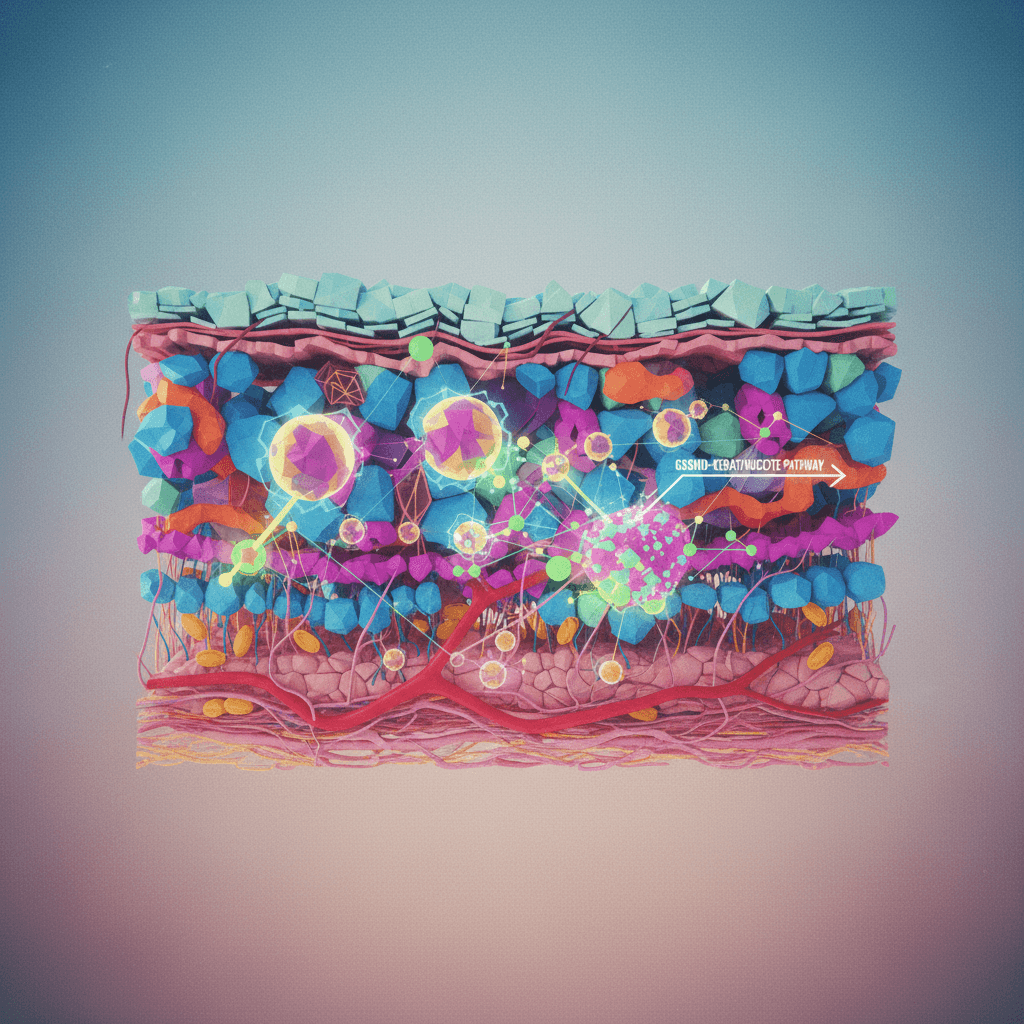
Gasdermin D (GSDMD), beyond its well-established role in pyroptosis, appears to directly influence keratinocyte differentiation in atopic dermatitis. Understanding this mechanism could lead to novel therapeutic strategies targeting skin barrier dysfunction.

Atopic dermatitis management is evolving rapidly with new systemic therapies. This practical guide helps clinicians navigate the choice between biologics and JAK inhibitors, considering patient profiles and potential adverse effects.

Patients with atopic dermatitis (AD) are benefiting from the shift toward targeted systemic therapies that avoid broad immunosuppression. The evolution towards biologics and JAK inhibitors promises more precise management and fewer off-target effects, thoug...

Rising Staphylococcus aureus resistance in atopic dermatitis threatens the effectiveness of common topical treatments. This demands a reevaluation of antimicrobial stewardship programs to preserve treatment options and reduce healthcare costs.

Rising antibiotic resistance in Staphylococcus aureus complicates atopic dermatitis treatment. This UK study prompts a re-evaluation of first-line topical therapies to preserve their effectiveness.
Atopic dermatitis treatment is being complicated by the changing face of antimicrobial resistance. Clinicians need to anticipate further shifts in resistance patterns to maintain effective treatment strategies, especially regarding topical agents.