Autosomal recessive congenital ichthyosis (ARCI) has long been viewed primarily as a dermatological condition, a defect in the skin barrier. But is that the whole story? A recent publication suggests we may be underestimating the systemic impact of certain genetic mutations causing ARCI, specifically those involving ALOX12B. This isn't just about dry skin; it's potentially about a compromised immune system and increased susceptibility to life-threatening infections.
This study compels us to reconsider our approach to patients with ALOX12B-associated ARCI. Are we adequately screening for and managing potential immunodeficiency? The data hints at a need for a more proactive, systemic approach.
Clinical Key Takeaways
lightbulb
- The PivotALOX12B-associated ARCI is likely more than a skin barrier defect; clinicians should consider it a potential primary immunodeficiency.
- The DataThe study showed increased susceptibility to cutaneous and opportunistic infections and some patients presented with aberrant T cell subsets.
- The ActionIn infants and children with ALOX12B mutations, maintain a high index of suspicion for unusual or recurrent infections and consider early immunological evaluation.
ALOX12B Mutations and Systemic Immunodeficiency
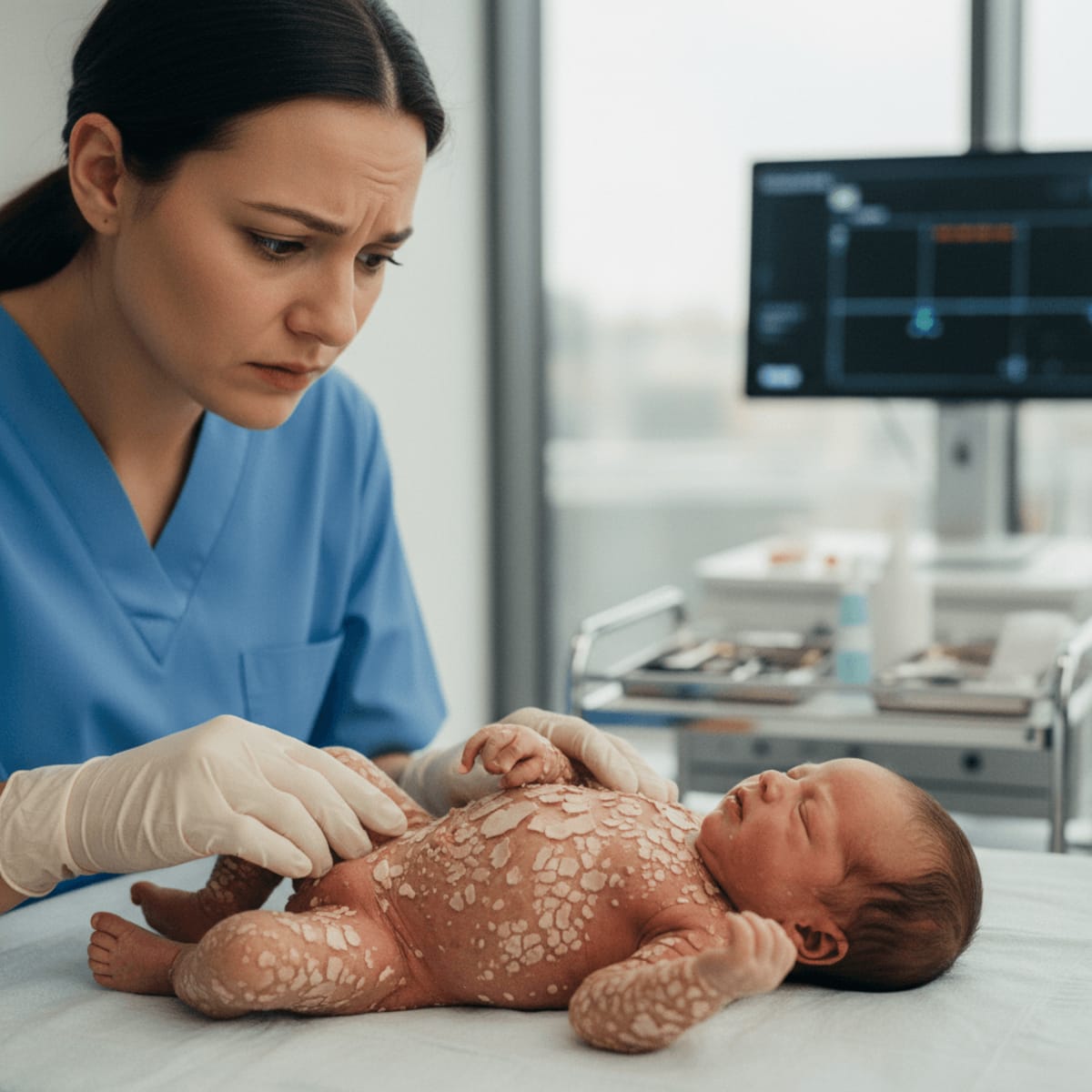
The traditional view of autosomal recessive congenital ichthyosis (ARCI), particularly when linked to mutations in the ALOX12B gene, centers on a defective skin barrier. Affected individuals struggle with chronic scaling, dryness, and often, significant discomfort. However, this study challenges that simplistic view. By profiling the immunological status of patients with ALOX12B-associated ARCI, the authors present evidence suggesting a broader, systemic immunodeficiency that predisposes these individuals to a range of infectious complications, some of which can be life-threatening. We're not just talking about superficial skin infections here; we're talking about invasive fungal infections, unusual viral presentations, and a general failure of the immune system to respond appropriately to common pathogens.
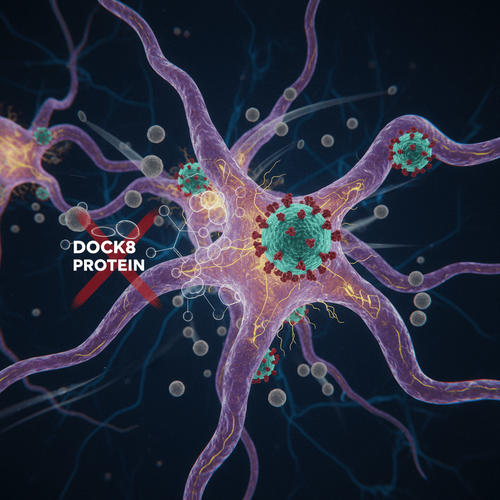
The data reveals several concerning trends. Affected patients exhibited increased susceptibility to both cutaneous infections (bacterial and fungal) and opportunistic infections, suggesting a defect in both innate and adaptive immunity. Furthermore, some patients displayed aberrant T cell subsets, raising questions about the development and function of their cellular immune responses. Is this a consistent finding across all ALOX12B mutations, or are there genotype-phenotype correlations we need to be aware of?
Comparison to Existing Guidelines
Currently, there are no specific guidelines addressing the management of immunodeficiency in patients with ARCI. Standard dermatological guidelines, such as those from the American Academy of Dermatology, focus primarily on symptomatic relief and management of the skin barrier defect. These guidelines typically recommend emollients, keratolytics, and topical anti-inflammatory agents. The recent study suggests that these guidelines may be insufficient for patients with ALOX12B mutations. If these patients have underlying immune dysfunction, topical treatments alone will not prevent systemic infections. This suggests a need to modify current protocols to include screening for immune dysfunction and prophylactic measures, especially in children with severe or recurrent infections.
Furthermore, the European Academy of Dermatology and Venereology (EADV) guidelines on ichthyosis do not explicitly address the potential for systemic immune defects. This study provides rationale to amend existing and future recommendations.
Study Limitations
Let's be clear: this study has limitations. The sample size is small. Rare genetic diseases are hard to study. But more importantly, this was a retrospective analysis. The authors pieced together immunological data from existing patient records. We need prospective, controlled studies to confirm these findings. We need to understand the specific immunological defects associated with different ALOX12B mutations. We also need to assess the impact of early immunological intervention on long-term outcomes. And frankly, who is going to pay for these prospective studies on rare disorders? That's always the Catch-22.
Additionally, the study doesn't fully address the potential for confounding factors. For instance, were patients on immunosuppressive medications for other conditions? Were there variations in nutritional status that could have impacted immune function? These factors need to be carefully considered in future research.
Mechanism of Immune Dysregulation
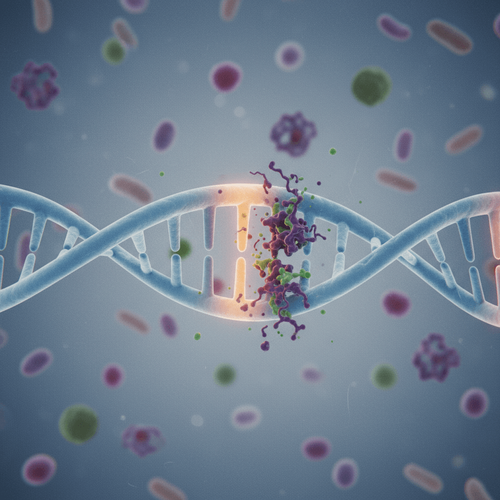
The precise mechanism by which ALOX12B mutations lead to immune dysregulation remains unclear. ALOX12B encodes arachidonate 12-lipoxygenase, an enzyme involved in the synthesis of eicosanoids, which play a crucial role in inflammation and immune responses. It's plausible that disruption of eicosanoid signaling pathways impairs the development and function of immune cells. But how? Which specific pathways are affected? Are there other genes involved in this process? Further research is needed to unravel the complex interplay between ALOX12B, eicosanoid metabolism, and immune function.
Understanding the underlying mechanisms could pave the way for targeted therapies. Could we use specific eicosanoid analogs to correct the immune defects? Could gene therapy play a role in the future? These are questions worth exploring.
The implications of this study are significant. We, as clinicians, need to be more vigilant about the possibility of immunodeficiency in patients with ALOX12B-associated ARCI. A lower threshold for immunological workups is warranted, particularly in those with recurrent or unusual infections. This may involve assessing T cell subsets, measuring immunoglobulin levels, and evaluating the patient's response to vaccines. Early diagnosis and intervention could prevent life-threatening complications.
However, increased immunological testing also translates to increased costs. Who will bear the burden of these costs? Will insurance companies cover these tests, especially given the rarity of the condition? Furthermore, the need for specialized immunological expertise may create workflow bottlenecks in some hospitals. These are practical considerations that need to be addressed.
LSF-6948597459 | January 2026

How to cite this article
Webb M. Alox12b mutations rethinking congenital ichthyosis. The Life Science Feed. Published February 9, 2026. Updated February 9, 2026. Accessed April 1, 2026. https://thelifesciencefeed.com/immunology/primary-immunodeficiency-diseases/insights/alox12b-mutations-rethinking-congenital-ichthyosis.
Copyright and license
© 2026 The Life Science Feed. All rights reserved. Unless otherwise indicated, all content is the property of The Life Science Feed and may not be reproduced, distributed, or transmitted in any form or by any means without prior written permission.
Fact-Checking & AI Transparency
This content was produced with the assistance of AI technology and has been rigorously reviewed and verified by our human editorial team to ensure accuracy and clinical relevance.
References
- Vahlquist, A., Gånemo, A., & Virtanen, M. (2008). Congenital ichthyosis: an overview of clinical and genetic aspects. Acta Dermato-Venereologica, 88(6), 470-481.
- Oji, V., Tadini, G., Akiyama, M., Blanchet Bardon, C., Bodemer, C., Bourrat, E., ... & Mazereeuw-Hautier, J. (2010). Revised nomenclature and classification of inherited ichthyoses: results of the First Ichthyosis Consensus Conference. Journal of the American Academy of Dermatology, 63(4), 607-641.
- Komiya, E., Akiyama, M., & Shimizu, H. (2015). Autosomal recessive congenital ichthyosis: update and future perspective. Expert Review of Dermatology, 10(5), 581-592.
Related Articles