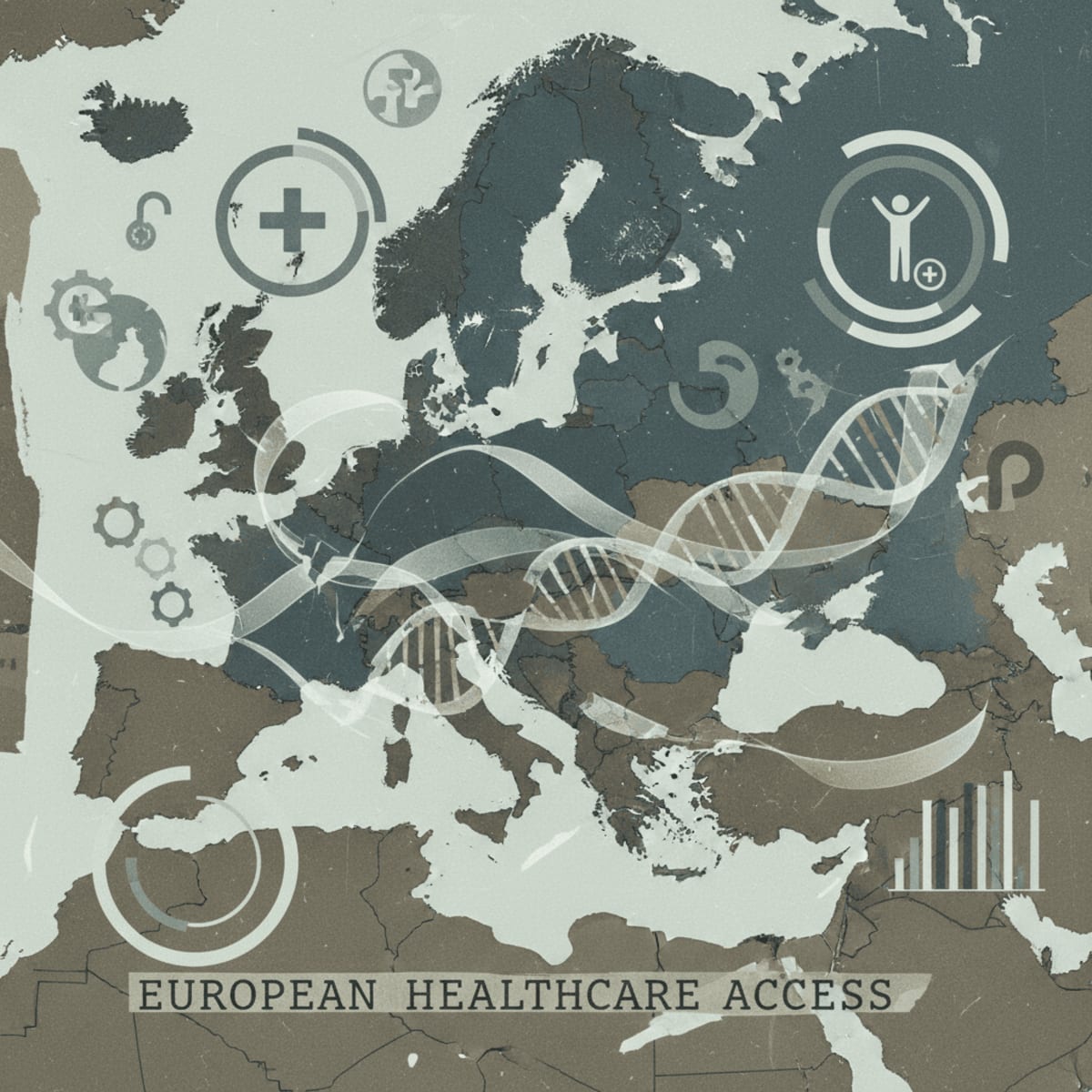
The European Society for Immunodeficiencies (ESID) registry, a cornerstone of data collection for primary immunodeficiency (PID), offers a critical lens through which to examine the systemic challenges in managing these rare conditions. For three decades, this registry has compiled data on over 30,000 patients, providing an unprecedented opportunity to assess diagnostic delays, treatment efficacy, and long-term outcomes. But beyond the clinical data, what does this tell us about the effectiveness of our healthcare systems in supporting these vulnerable patients?
We must consider the economic implications of delayed diagnoses and inconsistent treatment. How much is spent chasing red herrings before the correct diagnosis? What's the long-term cost of managing complications that could have been avoided with earlier intervention? The ESID registry’s value extends beyond academic interest; it’s a crucial tool for informing policy decisions that can reduce both patient suffering and healthcare expenditure. The question now is how to translate this wealth of data into actionable policy changes that ensure timely diagnosis and equitable access to care for all patients with inborn errors of immunity (IEI).
Clinical Key Takeaways
lightbulb
- The PivotThis registry data challenges the status quo by highlighting the stark disparities in IEI diagnosis and treatment across different regions and socioeconomic groups. It calls for a shift from reactive management to proactive, system-wide screening programs.
- The DataThe ESID registry reports on 30,628 patients over 30 years, revealing significant delays in diagnosis and variable access to treatments such as immunoglobulin therapy and hematopoietic stem cell transplantation.
- The ActionAdvocate for policy changes that mandate newborn screening for select IEIs, improve access to specialized immunology centers, and ensure reimbursement for essential therapies like immunoglobulin.
The ESID Registry: A 30-Year Overview
The ESID registry represents a massive undertaking, accumulating data from centers across Europe and beyond. Thirty years of data, over 30,000 patients - what does it tell us? While the registry provides a comprehensive overview of IEI manifestations, treatment strategies, and outcomes, it also exposes significant heterogeneity in care. Are all centers adhering to the same diagnostic criteria? Are all patients receiving equal access to potentially life-saving therapies? The devil, as always, is in the details. We need to look beyond the broad statistics and examine the specific factors that contribute to disparities in care. Is it geographic location? Socioeconomic status? Lack of awareness among primary care physicians? These are the questions that policy makers need to address.
Guideline Comparison: Where Do We Stand?
Several international guidelines address the diagnosis and management of IEIs, including those from ESID, the Primary Immunodeficiency Treatment Consortium (PIDTC), and the American Academy of Allergy, Asthma & Immunology (AAAAI). While these guidelines provide a framework for clinical decision-making, the ESID registry data reveals that adherence to these guidelines is far from uniform. For example, the guidelines emphasize early genetic screening for specific IEIs, yet diagnostic delays remain a significant problem. Is it a lack of awareness, or is it simply the cost barrier that stands in the way? How can we ensure that these guidelines are translated into consistent clinical practice?
The 2021 update to the ESID diagnostic criteria for common variable immunodeficiency (CVID) included more specific immunological parameters. Did this actually improve the speed and accuracy of CVID diagnosis in practice, or simply add more hurdles to jump?
Study Limitations: The Catch
Let's be clear - registry data, while valuable, isn’t perfect. The ESID registry relies on voluntary data submission, which introduces the potential for selection bias. Centers with more resources and a greater interest in IEIs are more likely to participate, potentially skewing the results. Furthermore, the data is observational, making it difficult to establish causal relationships. We can observe correlations between treatment strategies and outcomes, but we can’t definitively prove that one caused the other. And of course, there are the inevitable inconsistencies in data collection and reporting across different centers. Standardizing data collection protocols is an ongoing challenge. Who pays for the audits to ensure accuracy?
Economic Value of Early Intervention
The economic burden of IEIs is substantial, encompassing diagnostic testing, treatment costs, and the management of complications like recurrent infections and autoimmune disorders. Delayed diagnoses exacerbate this burden, leading to increased healthcare utilization and reduced quality of life. Early intervention, such as prophylactic immunoglobulin therapy or hematopoietic stem cell transplantation (HSCT), can prevent complications and improve long-term outcomes, ultimately reducing healthcare costs. A cost-effectiveness analysis of newborn screening for severe combined immunodeficiency (SCID) demonstrated that early detection and treatment were associated with significant cost savings compared to delayed diagnosis. But who is going to fund these interventions? Are insurance companies willing to invest in preventive care, or will they continue to prioritize short-term cost savings over long-term health benefits?
Actionable Policy Recommendations
Based on the ESID registry data and other evidence, several policy recommendations can be made:
- Expand newborn screening programs to include a wider range of IEIs, particularly those for which effective treatments are available.
- Improve access to specialized immunology centers, ensuring that patients receive timely and accurate diagnoses.
- Establish national registries for IEIs, promoting data sharing and collaboration among centers.
- Ensure reimbursement for essential therapies, such as immunoglobulin therapy and HSCT, regardless of a patient's socioeconomic status.
- Raise awareness among primary care physicians about the signs and symptoms of IEIs.
These steps are not just about improving patient outcomes; they're about creating a more efficient and equitable healthcare system. The ESID registry has provided us with the data; it’s now up to policymakers to act.
Delayed diagnosis of IEIs leads to increased healthcare costs due to repeated infections, hospitalizations, and misdiagnoses. Streamlining the diagnostic process and ensuring prompt access to specialized care can significantly reduce these expenses. Proactive genetic screening, while initially costly, can prevent long-term complications and reduce the overall financial burden on healthcare systems. But reimbursement models need to adapt. Fee-for-service incentives often prioritize treating acute complications over preventive care. Value-based care models that reward improved patient outcomes and reduced healthcare utilization may be more appropriate for managing IEIs.
LSF-5577542788 | December 2025

How to cite this article
Webb M. Long-term registry data reveals systemic gaps in inborn errors of immunity care. The Life Science Feed. Published December 26, 2025. Updated December 26, 2025. Accessed April 2, 2026. https://thelifesciencefeed.com/immunology/primary-immunodeficiency-diseases/policy/long-term-registry-data-reveals-systemic-gaps-in-inborn-errors-of-immunity-care.
Copyright and license
© 2026 The Life Science Feed. All rights reserved. Unless otherwise indicated, all content is the property of The Life Science Feed and may not be reproduced, distributed, or transmitted in any form or by any means without prior written permission.
Fact-Checking & AI Transparency
This content was produced with the assistance of AI technology and has been rigorously reviewed and verified by our human editorial team to ensure accuracy and clinical relevance.
References
- Germain, S. A., et al. "Newborn screening for severe combined immunodeficiency in 11 screening programs." The Journal of Allergy and Clinical Immunology 141.6 (2018): 2168-2175.
- Bousfiha, A., et al. "Human inborn errors of immunity: 2019 update." Journal of Allergy and Clinical Immunology 145.3 (2020): 715-731.
- Seidel, M. G., et al. "European Society for Immunodeficiencies (ESID) Registry Working Definitions for Clinical Diagnosis of Primary Immunodeficiencies: 2023 Update." Frontiers in Immunology 14 (2023).
- Picard, C., et al. "Primary Immunodeficiency Diseases: An Update on the Classification from the International Union of Immunological Societies Expert Committee for Primary Immunodeficiency." Journal of Clinical Immunology 38.1 (2018): 59-94.
Related Articles

Non-SCID T-Cell Lymphopenia Screening: System-Wide Cost Analysis