
Loading articles...
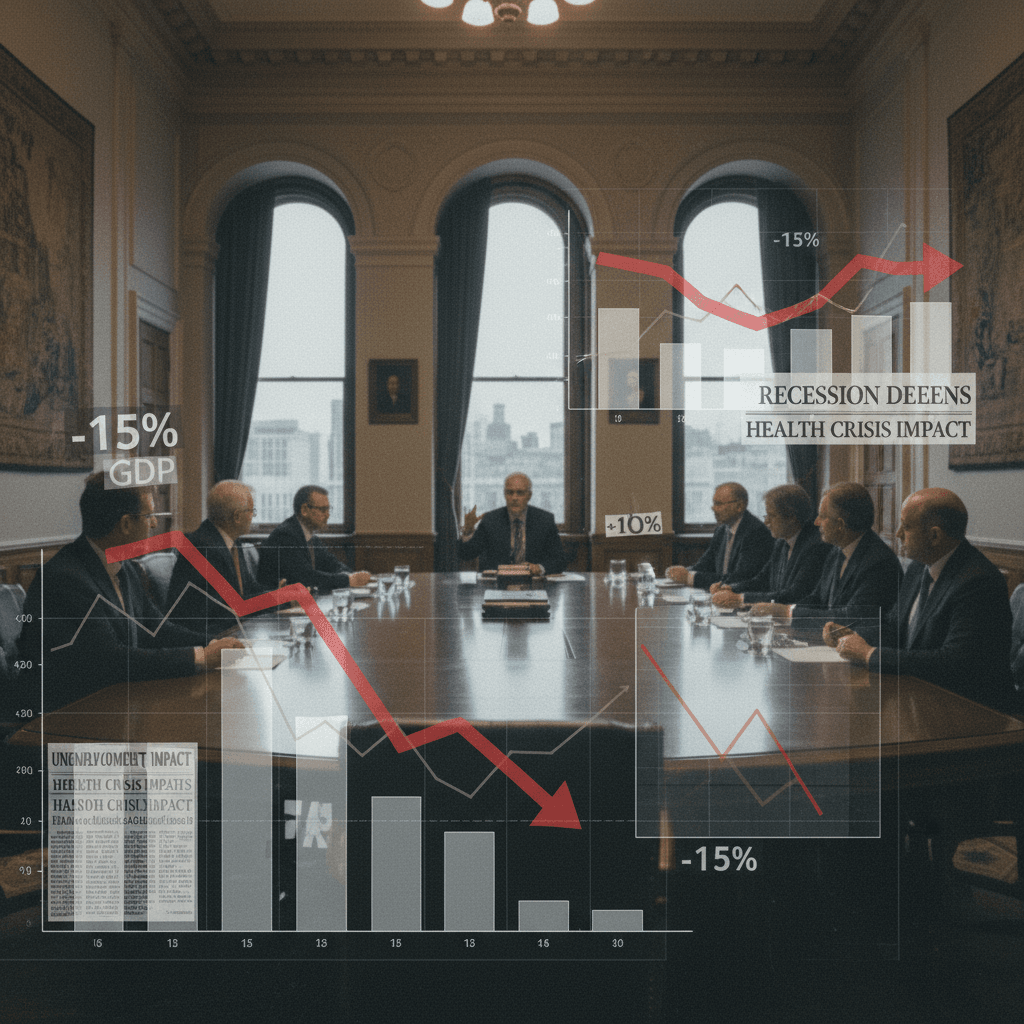
Musculoskeletal disorders (MSDs) represent a significant, often underestimated drain on national economies. A failure to implement proactive public health and occupational safety policies will predictably suppress national productivity and strain healthcare...

Treating musculoskeletal disorders gets exponentially harder when patients have other conditions. Here's a streamlined approach to tackle those complexities and improve patient outcomes.

Treating musculoskeletal disorders in patients with comorbidities presents a significant clinical challenge, often requiring compromises that can impact patient outcomes. This case study illustrates the complexities of managing osteoarthritis in a patient w...

Patients with musculoskeletal disorders often face fragmented care when they have additional health conditions, leading to poorer outcomes. Integrated care models are needed to address the complex needs of these patients and reduce systemic inefficiencies.

Musculoskeletal disorders (MSDs) aren't just a patient problem; they're a drag on the entire global economy. Understanding this impact can help clinicians advocate for better resource allocation and preventive strategies.

Patients with musculoskeletal disorders and comorbidities face a significant burden due to fragmented care models. Addressing these systemic issues could lead to better outcomes and reduced healthcare expenditures.

Condition-specific pathways in musculoskeletal rehabilitation reorganize triage, delivery, and follow-up to better match needs in osteoarthritis and other joint pain. By blending rapid screening, tailored exercise, and supported self-management, the model e...
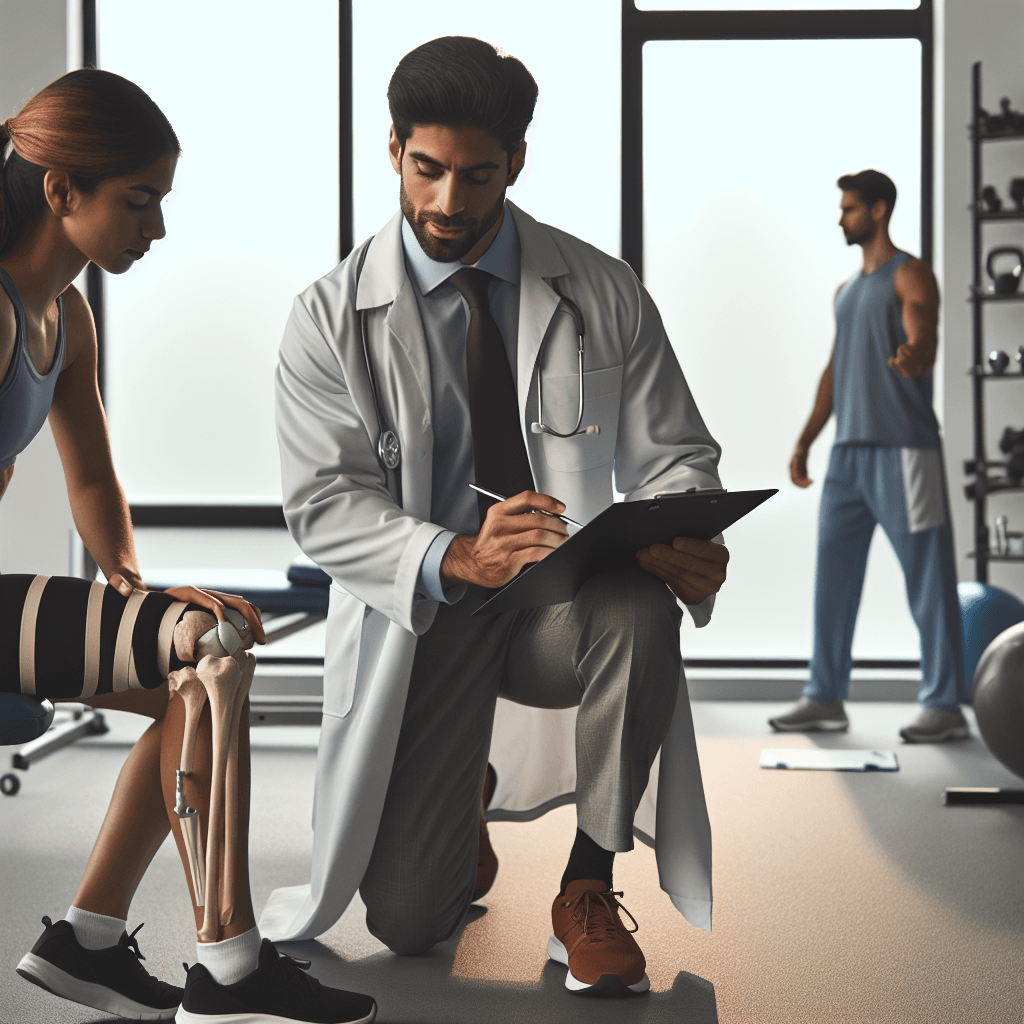
For people with new or existing joint pain, condition-specific rehabilitation pathways prioritize early triage, safe loading, and coordinated referrals. Emphasis on mechanisms such as graded activity, self-management, and flare management aligns with risk-b...
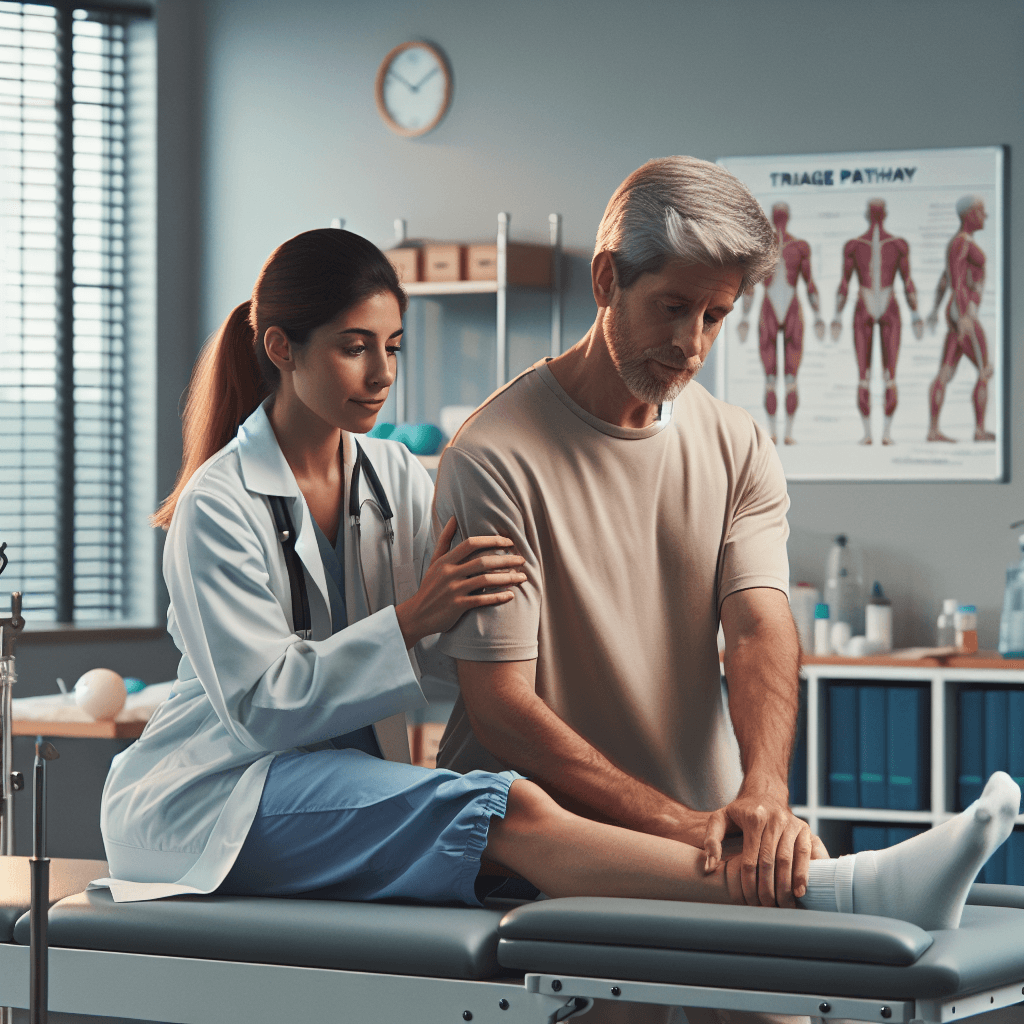
In osteoarthritis and other musculoskeletal joint pain, condition-specific rehabilitation emphasizes stratified triage, goal-oriented exercise, and coordinated follow-up. A service evaluation reported coherent pathway sequencing and acceptable experience fo...
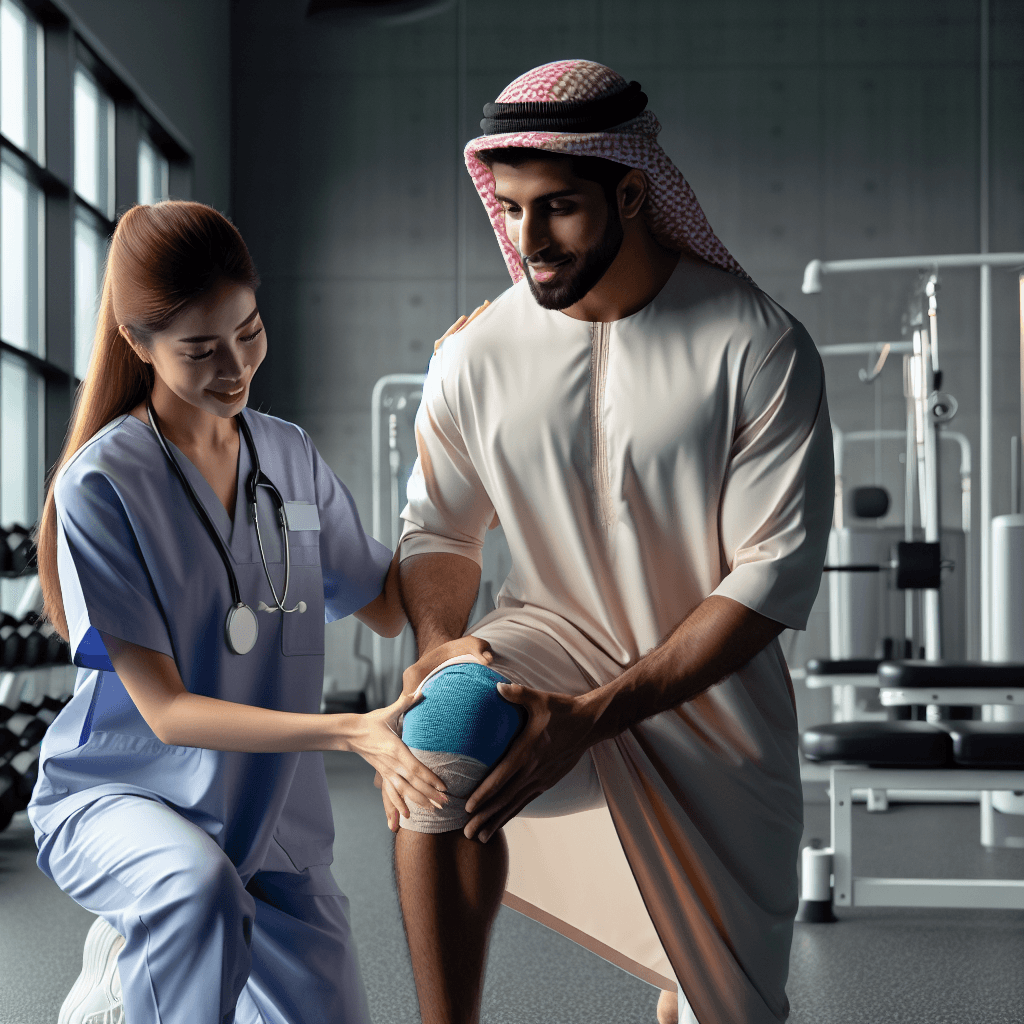
Among people with osteoarthritis and other joint pain, pivoting from generic MSK classes to condition-specific, patient-centered rehabilitation appears to work through targeted education, function-focused exercise, and self-efficacy building. The key signal...