All articles128

Ebola Pandemic Risk in 2026: A Low Probability Assessment
An Ebola pandemic in 2026 is considered unlikely due to established public health responses, vaccine availability, and improved surveillance.

ATS 2026: NTM Lung Disease Detection, Therapy, QoL Advancements
ATS 2026 highlights advancements in nontuberculous mycobacteria (NTM) lung disease, focusing on improved detection, optimized therapy, and patient quality of life.
Tirzepatide: Efficacy in Weight Management Explored at ATS 2026
Tirzepatide, a dual GIP/GLP-1 receptor agonist, demonstrates significant efficacy in chronic weight management, offering a new therapeutic option.

BRINSUPRI® First Therapy Approved for NCFB at ATS 2026
BRINSUPRI® receives first approval for non-cystic fibrosis bronchiectasis (NCFB), addressing a significant unmet need in chronic respiratory care.

Epithelial Cytokines Link Severe Asthma, CRSwNP, COPD at ATS 2026
ATS 2026 highlighted epithelial cytokine pathways as a common link in severe asthma, chronic rhinosinusitis with nasal polyps (CRSwNP), and COPD.

Triple Therapy in Asthma: Real-World Evidence Supports Earlier Use
New real-world evidence presented at ATS 2026 indicates that initiating triple therapy earlier in asthma management may improve patient outcomes.
YUTREPIA® (treprostinil) Inhalation Powder for PH-ILD Patients
YUTREPIA® (treprostinil) inhalation powder offers a new prostacyclin treatment option for pulmonary hypertension associated with interstitial lung disease (PH-ILD).

IPF/PPF: Patient and Pulmonologist Perspectives Highlight Care Gaps
New insights from ATS 2026 reveal significant discrepancies between patient experiences and pulmonologist perceptions in IPF and PPF management.

AAT Protein's Role in Lung Health Beyond COPD & Severe Asthma
Alpha-1 antitrypsin (AAT) protein extends its protective role beyond established AAT deficiency, influencing general lung health.

Epithelial Dysfunction: A Unified Target in Airway Disease Management
ATS 2026 highlights epithelial dysfunction as a central mechanism in upper and lower airway inflammation, informing evolving management strategies.

Eosinophilic Disorders: Best Practices for HES and EGPA at ATS 2026
Managing hypereosinophilic syndrome (HES) and eosinophilic granulomatosis with polyangiitis (EGPA) presents diagnostic and therapeutic challenges.

AIRSUPRA® Reduces Asthma Exacerbations in ATS 2026 Data
AIRSUPRA® (albuterol/budesonide) demonstrated a reduction in asthma exacerbations, addressing the need for improved rescue therapy.

IL-33's Dual Role in COPD: Inflammation and Mucus Dysfunction
IL-33 acts as both a pro-inflammatory cytokine and a contributor to mucus hypersecretion in COPD, complicating therapeutic targeting.

Triple Therapy Optimises COPD Outcomes at ATS 2026
ATS 2026 presentations highlight tailored triple therapy for obstructive lung disease, improving lung function and reducing exacerbations.

Severe Asthma: Beyond Airway Focus in Treatment Decisions at ATS 2026
ATS 2026 discussions on severe asthma treatment highlight the need to integrate patient-reported outcomes beyond lung function, addressing quality of life.

AATD: Aiming for AAT Restoration and Clinically Meaningful Endpoints
Advancements in Alpha-1 Antitrypsin Deficiency (AATD) focus on restoring AAT levels and achieving clinically meaningful endpoints.

JASCAYD® (nerandomilast) Offers New Therapeutic Option for COPD
Nerandomilast, a novel anti-inflammatory agent, demonstrates efficacy in reducing exacerbation rates in patients with moderate to severe COPD.

New Biologic Offers Option for Severe Eosinophilic Asthma
A new biologic agent presented at ATS 2026 provides an additional treatment option for patients with severe eosinophilic asthma.

ATS 2026: Addressing the Cough Assessment Gap in Respiratory Disease
ATS 2026 highlights the persistent gap in objective cough assessment in respiratory diseases, hindering precise diagnosis and treatment efficacy.

AI Integration Improves Lung Cancer MDT Workflow at ATS 2026
Integrating AI for lung cancer prediction into multidisciplinary team workflows demonstrates operational improvements and potential for enhanced patient stratification.

IKT-001 Adaptive Study Programme for Pulmonary Arterial Hypertension
An adaptive clinical study programme for IKT-001 in Pulmonary Arterial Hypertension (PAH) was presented at ATS 2026, detailing a novel approach to trial design.

Pediatric Pulmonary Research Gaps Highlighted for Global Health
A review of pediatric pulmonary research emphasizes significant disparities in global health and underserved populations, underscoring critical unmet needs.

AI Algorithms Enhance Pulmonary Disease Management at ATS 2026
Artificial intelligence applications in pulmonary medicine, presented at ATS 2026, demonstrate utility in diagnosis, prognosis, and treatment optimization.

Immunological Insights Inform ILD & Transplant Outcomes
New immunological insights presented at ATS 2026 clarify mechanisms of interstitial lung disease progression and allograft rejection post-transplant.

AI, Wearables Transform Sleep Diagnostics: ATS 2026 Preview
Next-generation sleep diagnostics, integrating AI, wearables, and sensors, promise to redefine the care continuum for sleep disorders, moving beyond traditional polysomnography.

Contagion: Acute Respiratory Failure Cases Highlight Ventilator Management
Case reports from ATS 2026 detail acute respiratory failure and immune-mediated lung disease, emphasizing ventilator and extracorporeal support.

Acute Respiratory Failure: Lifespan Phenotypes and Trajectories
Acute respiratory failure (ARF) presents distinct physiological phenotypes and trajectories across pediatric and adult populations, necessitating age-specific management.

Ventilator Management: Foundations for Bedside Implementation
Effective mechanical ventilation requires precise setup and liberation strategies. Practical foundations are essential for optimal patient outcomes.

Right Heart Catheterization: ATS 2026 Clarifies Waveform Interpretation
ATS 2026 session addresses persistent challenges in right heart catheterization waveform interpretation, offering a structured approach to reduce diagnostic ambiguity.
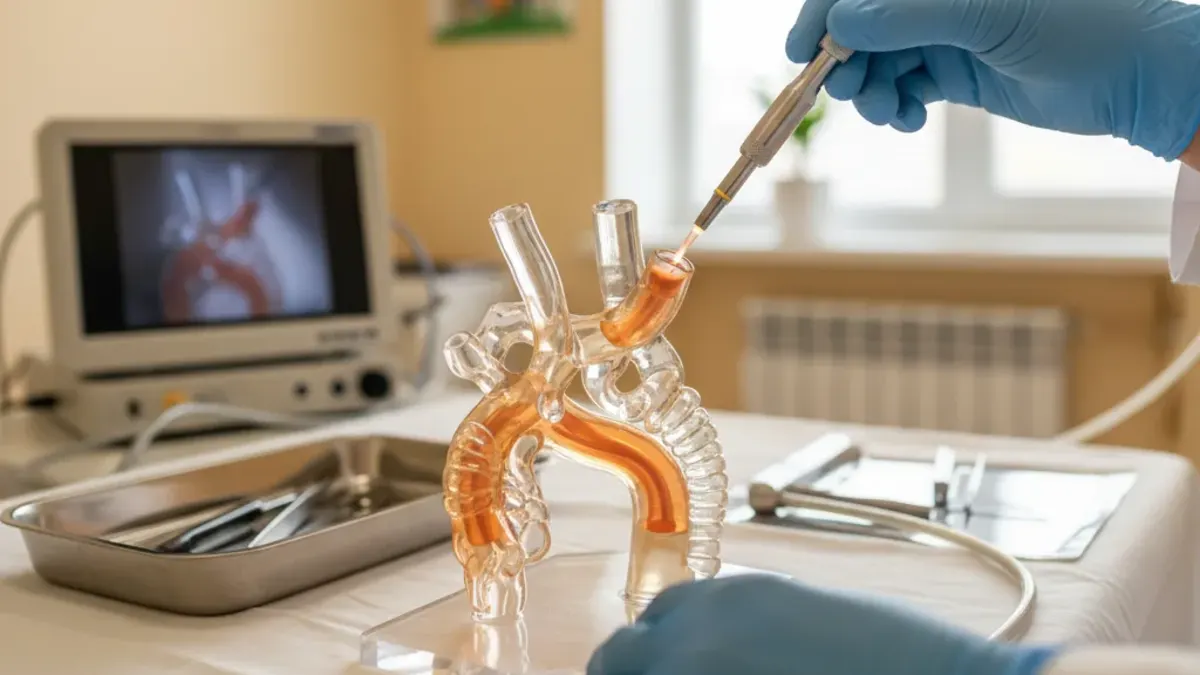
Pediatric Advanced Bronchoscopy: Precision in Airway Management
Advanced diagnostic and interventional bronchoscopy in pediatric patients offers precise airway management for complex conditions, reducing morbidity.

ILD Diagnosis and Management: A Practical ATS 2026 Update
ATS 2026 provided a practical framework for interstitial lung disease (ILD) diagnosis and management, emphasising multidisciplinary team approaches and early antifibrotic initiation.

Multimodal OSA Treatment: Nerve Stimulation, Surgery, Oral Appliances
ATS 2026 highlights mechanistic and multimodal approaches to obstructive sleep apnea, moving beyond CPAP to targeted therapies.

CPET Advances Refine Cardiopulmonary Disease Assessment at ATS 2026
Cardiopulmonary exercise testing (CPET) continues to evolve, offering enhanced diagnostic and prognostic precision for various cardiopulmonary conditions. New applications presented at ATS 2026 highlight its utility beyond traditional indications.

Sarcoidosis: Current Understanding of Diagnosis and Management
Sarcoidosis presents a diagnostic and therapeutic challenge. This review summarises current approaches to diagnosis, staging, and treatment strategies.

ATS 2026: Bronchiectasis and NTM Pulmonary Disease Management
ATS 2026 discussions focused on the complex etiologies and management of bronchiectasis and NTM pulmonary disease, highlighting updated guideline recommendations.

ATS 2026: Lung Cancer Management Advances in Targeted Therapy
ATS 2026 highlights evolving lung cancer management, focusing on precision medicine and novel targeted therapies for improved patient outcomes.

ATS 2026: Ultrasound Education Advances for Clinical Practice
ATS 2026 highlights advancements in ultrasound practice and instruction, addressing variability in operator proficiency and diagnostic accuracy.

Bronchoscopy Training: ATS 2026 Focuses on EBUS and Guided Techniques
ATS 2026 will feature a hands-on guide to basic bronchoscopy, EBUS, and guided bronchoscopy, addressing the need for advanced procedural competency.

MAVEs Inform Variant Interpretation in Clinical Oncology Practice
Multiplex Assays of Variant Effects (MAVEs) offer a systematic approach to interpreting genetic variants in oncology, addressing current limitations in variant classification.

AI in Oncology: Practical Applications Transforming Cancer Care
AI integration in oncology is moving beyond theoretical promise to deliver tangible benefits in diagnosis, treatment planning, and patient management.

DNA Methylation Patterns Emerge as Sarcoma Biomarkers
Sarcomas present diagnostic and therapeutic challenges due to their heterogeneous nature. DNA methylation profiling may enhance early diagnosis and personalized treatment.

HTAN Decodes Tumor Evolution: Ecological Perspective at AACR2026
Understanding tumor evolution is critical for effective cancer therapy. The Human Tumor Atlas Network (HTAN) provides an ecological and evolutionary framework.

Next-Gen Extracellular Vesicles: Biomarkers, Targets, Deliverables in Oncology
Extracellular vesicles (EVs) and particles (EPs) offer new avenues for cancer diagnosis, prognosis, and therapy. Their role as biomarkers and drug delivery systems is expanding.

NK Cell Immunotherapy: Biology to Clinic at AACR 2026
Natural killer (NK) cell-based immunotherapies are emerging as a promising cancer treatment strategy, with ongoing clinical trials exploring their efficacy.

Cancer Therapies Induce Lifespan Comorbidities: ACCR 2026 Review
Cancer therapies, while life-saving, induce significant long-term comorbidities across all age groups, necessitating integrated survivorship care.

Primary LV Unloading in Anterior STEMI Shows No Benefit in STEMI-Door to Unload Trial
The STEMI-Door to Unload trial found no benefit for primary left ventricular unloading in anterior STEMI without cardiogenic shock.

DISCOVER INOCA Defines Vasomotor Disorders in Nonobstructive CAD
The DISCOVER INOCA registry provides a comprehensive definition of coronary vasomotor disorders in patients with ischemia and nonobstructive coronary arteries (INOCA).

Sex Differences in MINOCA Causes Identified by OCT and CMR Imaging
OCT and CMR imaging reveal distinct sex-specific underlying causes of myocardial infarction with no obstructive coronary arteries (MINOCA).

ORBITA-CTO: CTO PCI Offers No Angina Relief Over Placebo
The ORBITA-CTO trial found no significant difference in angina symptom improvement between CTO PCI and a placebo procedure.

FFR or 3D-QCA Guided Revascularisation: The FAST III Trial
The FAST III trial, reported at ACC.26, investigated revascularisation guided by FFR versus 3D-QCA-based vessel-FFR.

SURVIV: Transcatheter Valve-in-Valve Non-Inferior to Redo-Surgery for Mitral Bioprosthetic Dysfunction
The SURVIV trial found transcatheter mitral valve-in-valve implantation non-inferior to redo-surgery for bioprosthetic dysfunction, with similar 1-year mortality.

PRO-TAVI: Deferring PCI Before TAVI Non-Inferior to Routine PCI
The PRO-TAVI trial demonstrated that deferring percutaneous coronary intervention (PCI) before transcatheter aortic valve implantation (TAVI) is non-inferior to routine PCI.

Emboliner Non-Inferior to Sentinel for TAVR Cerebral Protection
ACC.26 trial shows Emboliner embolic protection catheter is non-inferior to Sentinel system during TAVR for preventing cerebral lesions.

Reverse-FALLS Protocol Reduces Pulmonary Congestion in CPE Patients
A prospective observational study demonstrated that the Reverse-FALLS protocol effectively reduced pulmonary congestion in patients with cardiogenic pulmonary edema.

IVUS Guidance Improves PCI Outcomes in Complex Bifurcation Lesions
Intravascular ultrasound (IVUS) guidance for percutaneous coronary intervention (PCI) in complex bifurcation lesions demonstrated superior outcomes compared to angiography guidance.

HOST-EXAM: Clopidogrel Monotherapy Non-Inferior to Aspirin at 10 Years
The HOST-EXAM trial's 10-year follow-up indicates clopidogrel monotherapy is non-inferior to aspirin monotherapy in stable CAD post-PCI with DES.

CHIP-BCIS3: LV Unloading Trial for High-Risk PCI
The CHIP-BCIS3 trial investigated percutaneous left ventricular unloading during high-risk coronary intervention, addressing a critical gap in managing complex PCI patients.

TRI-FR Trial: Tricuspid Repair Sustains Benefit at Two Years
Two-year outcomes from the TRI-FR trial demonstrate sustained efficacy of transcatheter tricuspid repair without cross-over for severe tricuspid regurgitation.

IVUS-Guided PCI Reduces MACE in Left Main Disease: OPTIMAL Trial
The OPTIMAL trial demonstrates IVUS-guided PCI significantly reduces major adverse cardiac events compared to angiography-guided PCI in unprotected left main coronary artery disease.

CHAMPION-AF: LAA Closure Non-Inferior to OAC for AF Outcomes
The CHAMPION-AF trial demonstrates left atrial appendage closure is non-inferior to oral anticoagulation for composite thrombotic and bleeding events in atrial fibrillation.

ALL-RISE: Angiography-Derived Physiology Non-Inferior to Pressure Wire for PCI
The ALL-RISE trial demonstrates non-inferiority of angiography-derived coronary physiology compared to invasive pressure wire guidance for PCI outcomes.

TRISCEND II: Transcatheter Tricuspid Valve Replacement Two-Year Outcomes
Two-year data from TRISCEND II show sustained improvements in severe tricuspid regurgitation with transcatheter valve replacement.
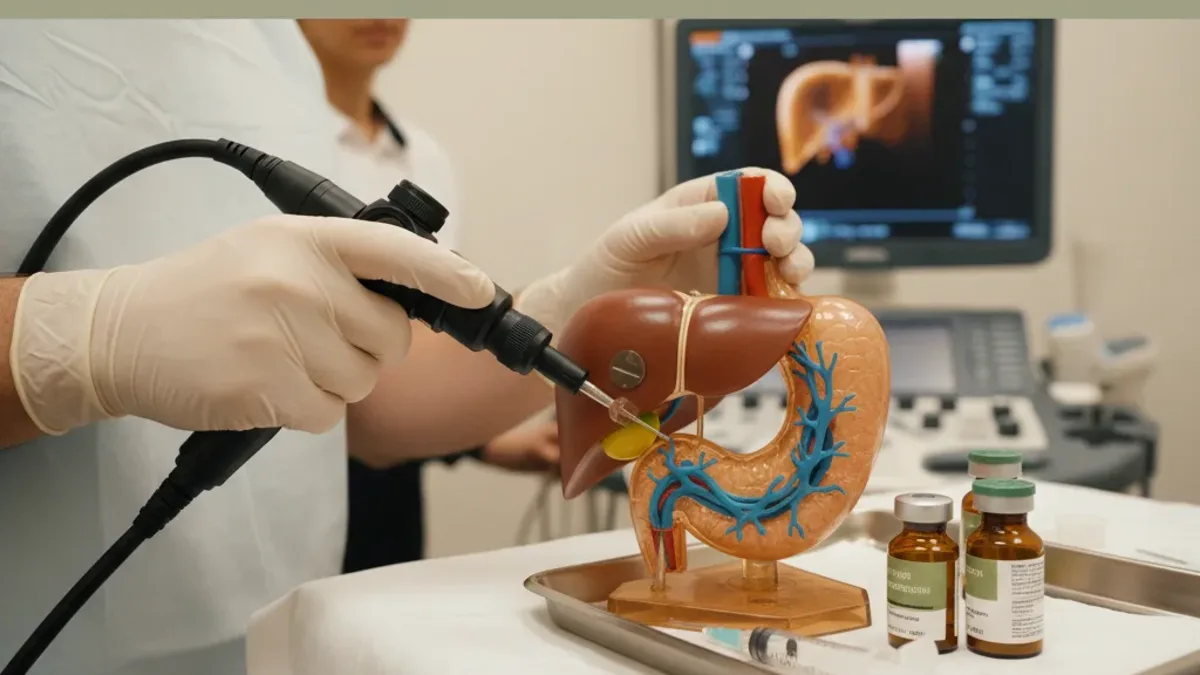
Variceal Bleeding Management: EASL 2026 Skills Centre Focuses on Endoscopic and Pharmacological Strategies
EASL 2026 Skills Learning Centre will address variceal bleeding, highlighting current evidence for endoscopic and pharmacological interventions.
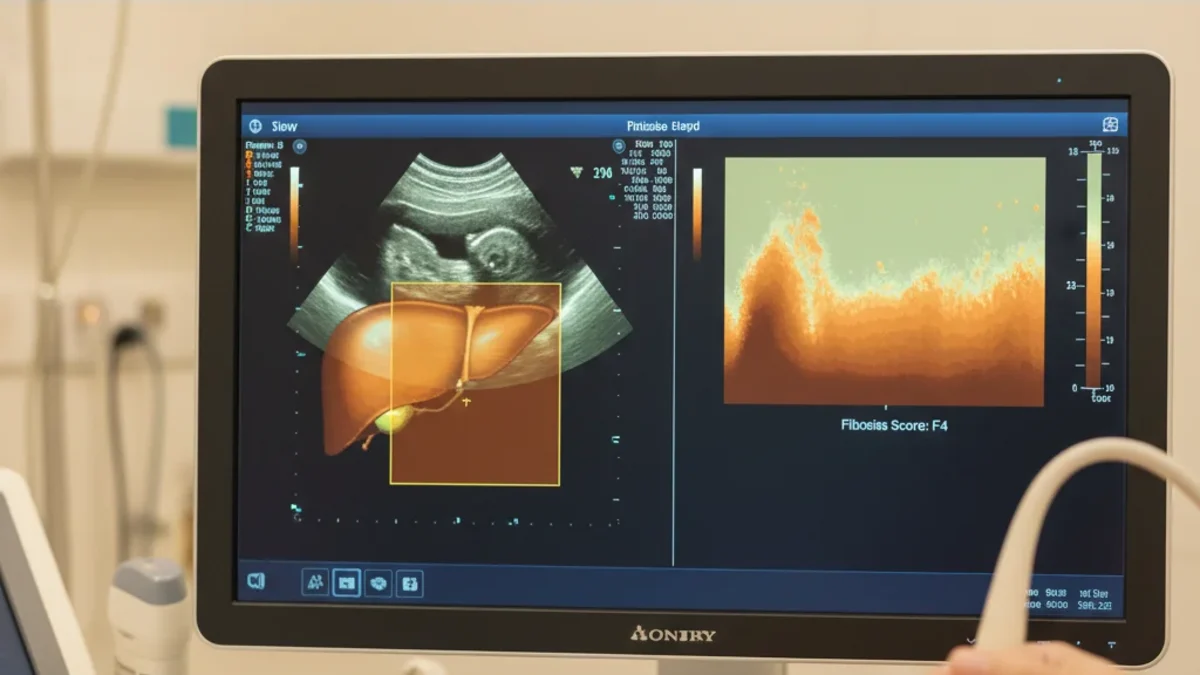
EASL 2026: Liver and Spleen Elastography for Fibrosis Assessment
EASL 2026 will feature a Skills Learning Centre on liver and spleen elastography, highlighting its role in non-invasive fibrosis assessment.

EASL 2026 Forum: Enhancing Patient-Clinician Communication
The EASL 2026 Patient & Advocate Forum addresses critical gaps in patient-clinician communication and interprofessional collaboration.
EASL 2026: Alcohol Policy Action Needed for Liver Disease
The European Health Alliance on Alcohol advocates for policy changes to mitigate alcohol-related liver disease, emphasizing the gap between clinical evidence and public health action.

A-TANGO Score Refines ACLF Diagnosis, Prognosis in Cirrhosis
New A-TANGO organ failure score refines acute-on-chronic liver failure (ACLF) diagnosis and prognostication in hospitalised cirrhosis patients.

MASLD Diagnosis Faces Barriers Despite 2024 EASL Guidelines
Despite 2024 EASL guidelines for MASLD, physicians encounter significant barriers in screening and diagnosis, particularly in SEEMEA.
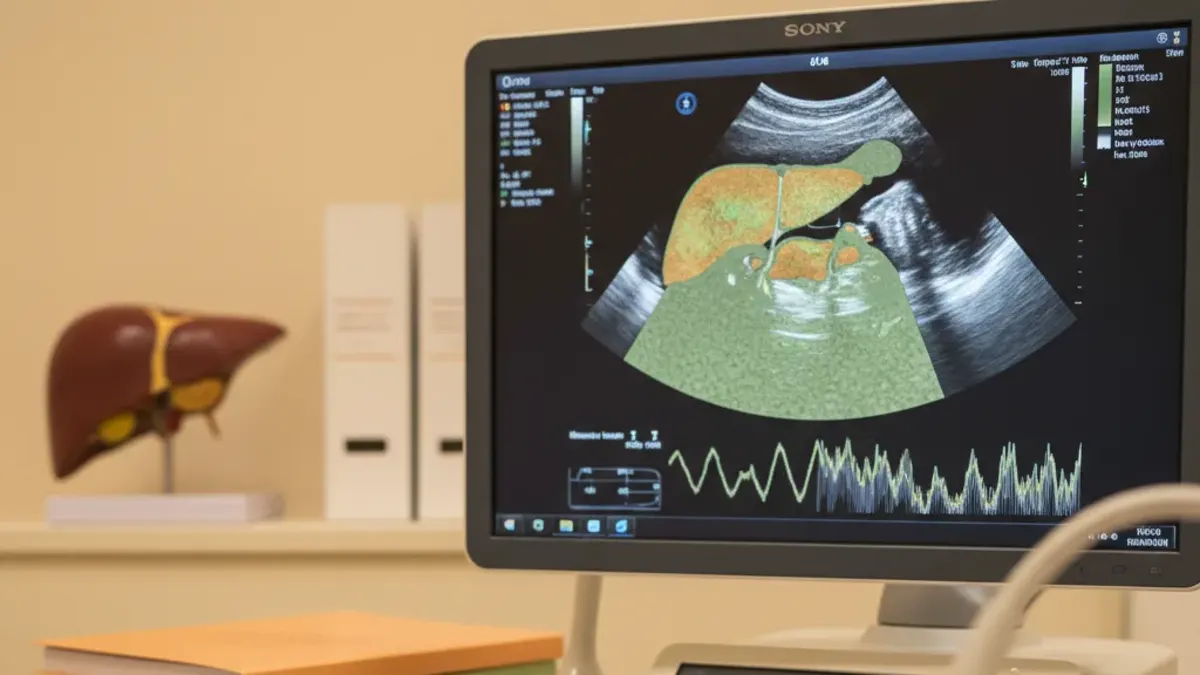
EASL 2026: Non-invasive Diagnostics Advance Liver Disease Staging
EASL 2026 highlights the evolving role of non-invasive diagnostics in liver disease, offering improved accuracy for fibrosis and steatosis assessment.
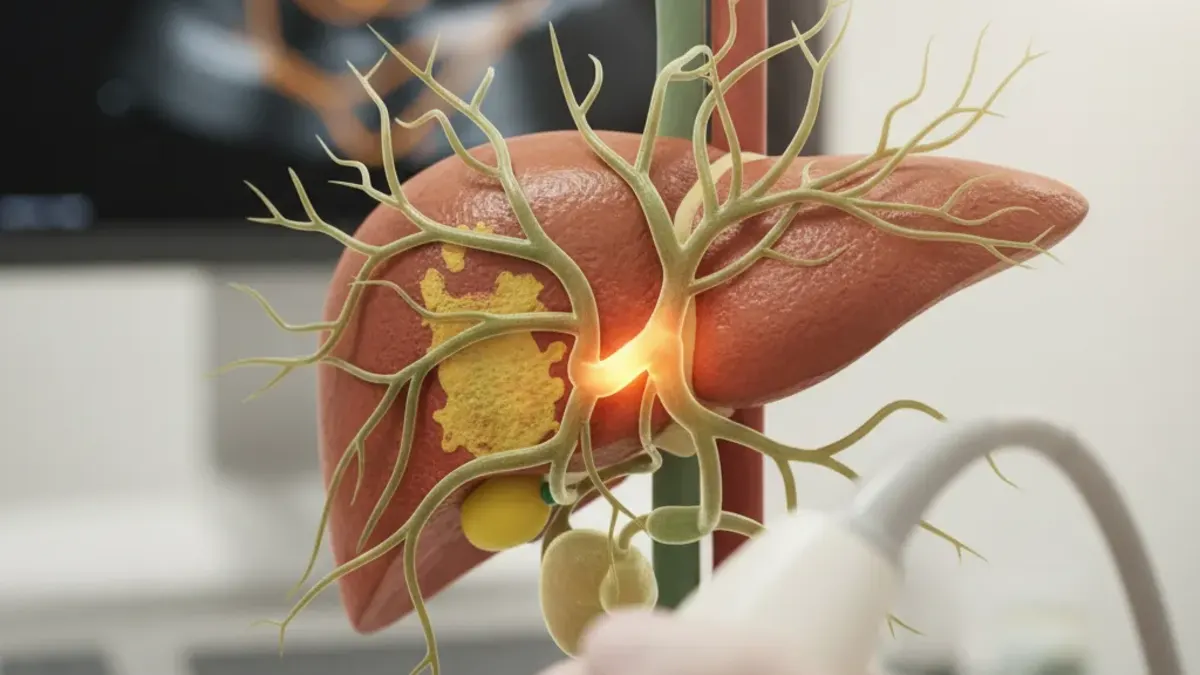
Late-Onset Genetic Cholestasis: Underdiagnosis in Adults Examined
Late-onset genetic cholestatic diseases are frequently missed in adults, leading to delayed diagnosis and suboptimal management. Increased awareness is critical.
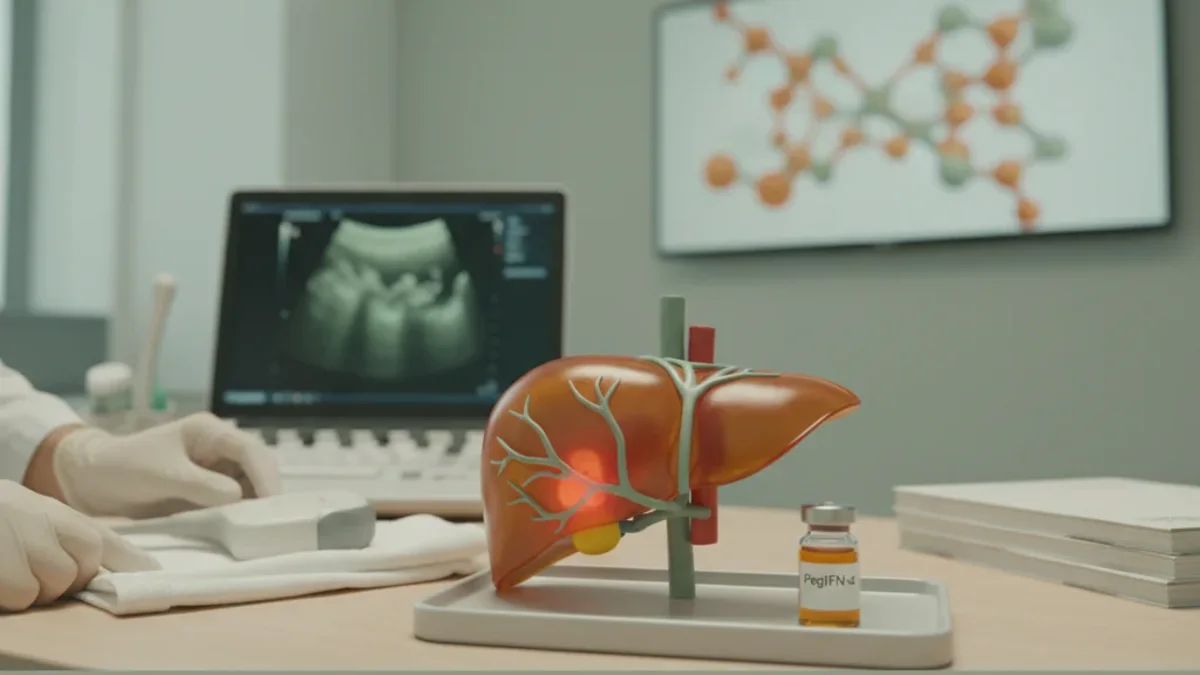
HDV Management: EASL 2026 Highlights PegIFN-α as Standard
EASL 2026 discussions reaffirmed peginterferon alfa as the cornerstone of HDV management, with emerging therapies showing promise.

MASH Advanced Fibrosis: Experts Detail Unique Challenges at EASL 2026
Experts at EASL 2026 discussed the distinct challenges of managing advanced fibrosis in MASH, highlighting diagnostic and therapeutic complexities.

EASL 2026 Consensus: AATD-Liver Disease Management Standardised
A new consensus statement from EASL 2026 aims to standardise the diagnosis and management of Alpha-1 Antitrypsin Deficiency (AATD) related liver disease.
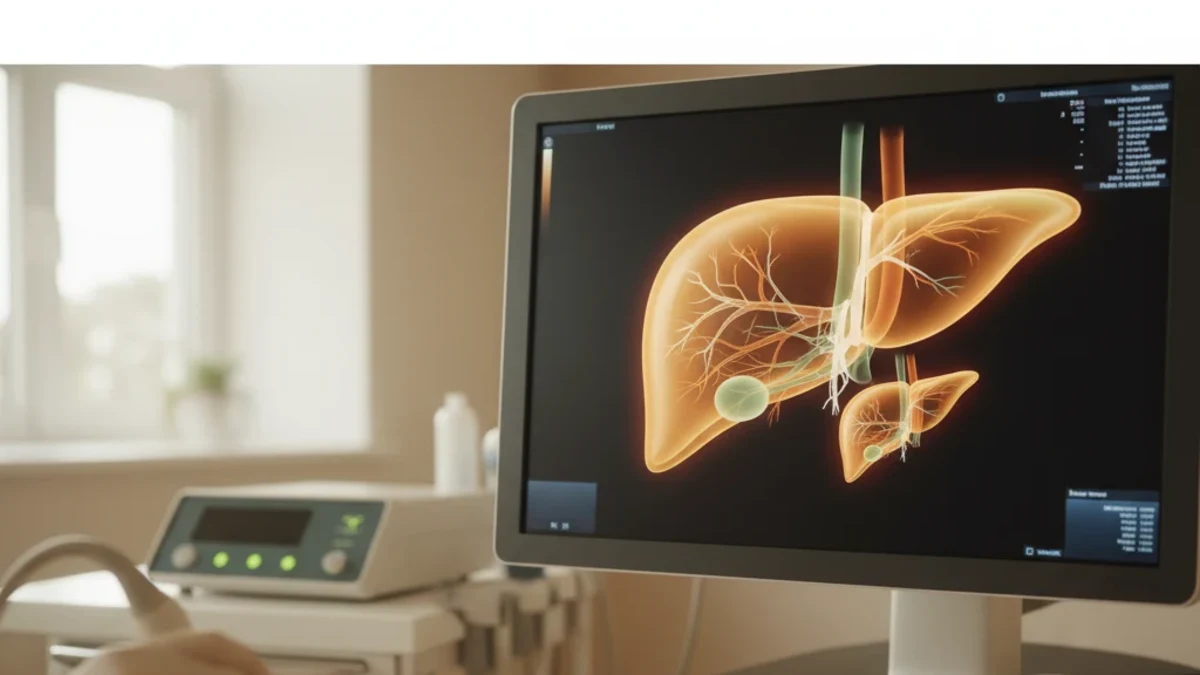
EASL 2026: PSC Therapies Advance Beyond Symptom Management
EASL 2026 discussions highlighted progress in primary sclerosing cholangitis (PSC) treatment, moving from symptom control to disease modification.
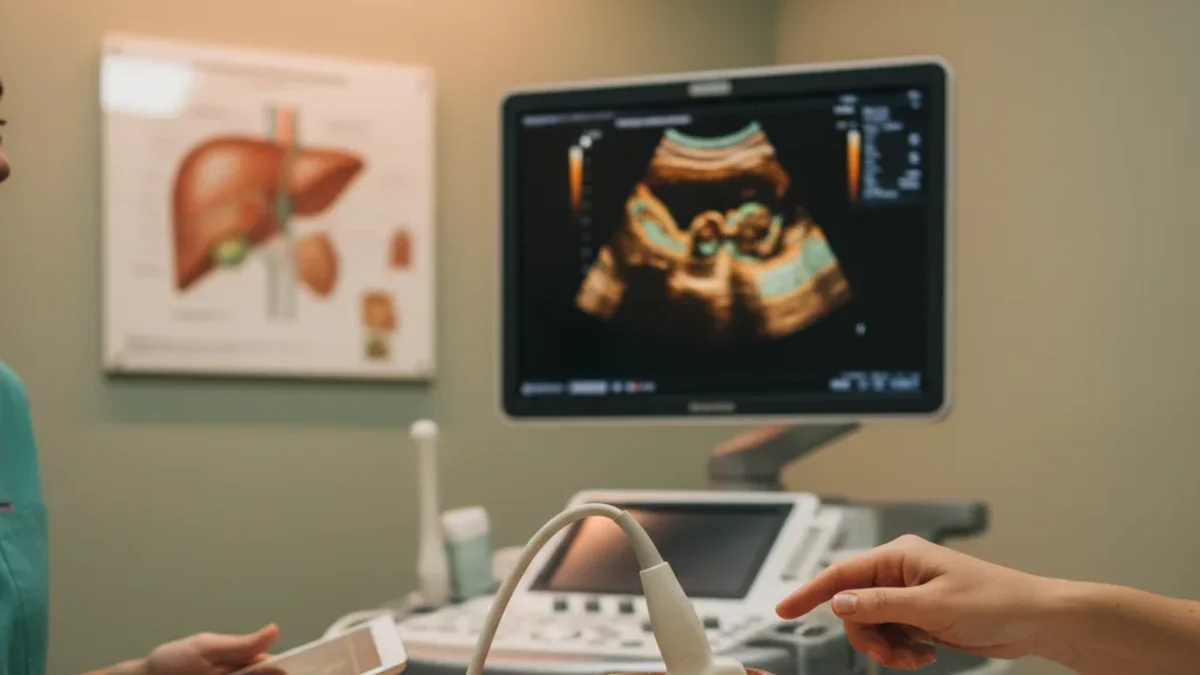
MASH Diagnosis: Non-Invasive Markers Show Promise at EASL 2026
EASL 2026 data indicates non-invasive markers may reduce liver biopsy necessity for MASH diagnosis, offering a less burdensome alternative.

PARP1 Deficiency Reduces Amyloid Pathology in Familial AD Model
New preclinical work links PARP1 deficiency to reduced amyloid burden and cognitive preservation in a familial Alzheimer's model.

Early Breast Cancer at ASCO 2026: Trials to Watch
ASCO 2026 is expected to bring pivotal data on adjuvant and neoadjuvant strategies in early breast cancer. Here is what clinicians should watch for.

Lower-Dose Tirzepatide: Can It Sustain Weight Loss Long-Term?
New evidence examines whether reduced tirzepatide doses can maintain weight loss, with implications for long-term obesity management in primary care.

Brain Cooling After Thrombectomy: Does Hypothermia Aid LVO Recovery?
Targeted temperature management after mechanical thrombectomy for LVO stroke is under active investigation, but the evidence base remains preliminary.

Few Pediatric Cancer Drugs Reach Phase 3 or Approval
The pipeline for pediatric oncology drugs remains sparse, with most candidates failing to progress beyond early-phase trials to approval.

Abdominal Obesity Linked to More Severe Menopause Symptoms
Women with central adiposity report more frequent and severe vasomotor and psychological menopause symptoms, with waist circumference emerging as a key clinical marker.

Oral Orforglipron Sustains Weight Loss After Injectable GLP-1 Therapy
The ATTAIN-MAINTAIN trial shows oral orforglipron preserves most injectable-achieved weight loss at 52 weeks, offering a scalable transition option.
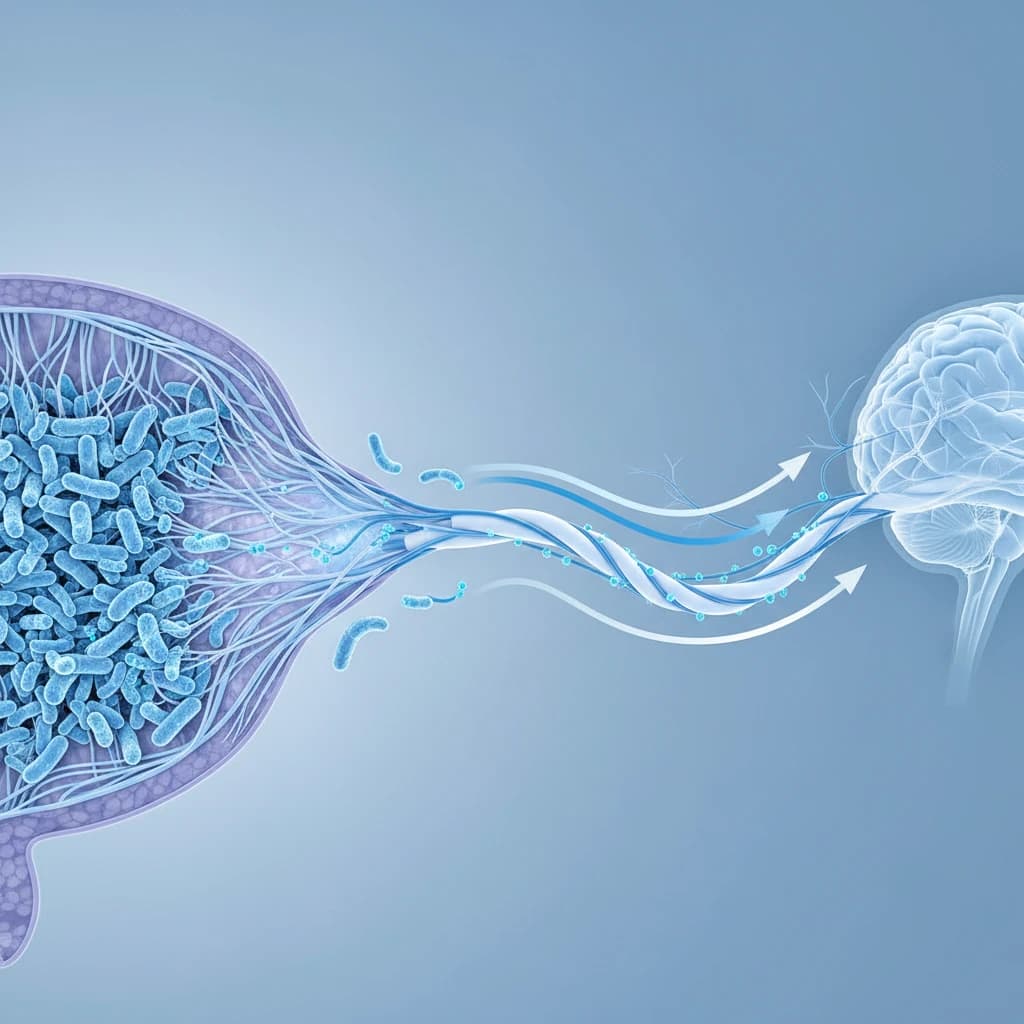
Gut Microbiota Signal the Brain via the Vagus Nerve: What GPs Should Know
The gut-brain axis operates partly through vagal afferent neurons. Here is what the established mechanistic evidence means for everyday practice.

HRT and Cancer Risk: How the WHI Study Misled a Generation
The Women's Health Initiative's 2002 findings on HRT were widely misapplied. Reassessment of the data changes the risk calculus for most women.

Does Vaping Cause Cancer? What the 2025–26 Evidence Shows
Three new papers assess carcinogenicity, toxicant exposure, and oral microbiota changes in vapers. The evidence is concerning but incomplete.

Low-Dose Lithium for Cognitive Decline: What the Evidence Actually Shows
Lithium at sub-therapeutic doses has been studied as a neuroprotective agent in dementia prevention, but the clinical evidence remains thin and inconsistent.

GLP-1 Drugs and Oral Medication Absorption: What Prescribers Need to Know
GLP-1 receptor agonists slow gastric emptying, raising theoretical concerns about altered absorption of time-sensitive oral drugs. Evidence remains thin.

Hantavirus: Lethality, Transmission and What GPs Need to Know
Hantavirus carries case fatality rates up to 40% in some syndromes. Here is what clinicians and the public genuinely need to worry about.
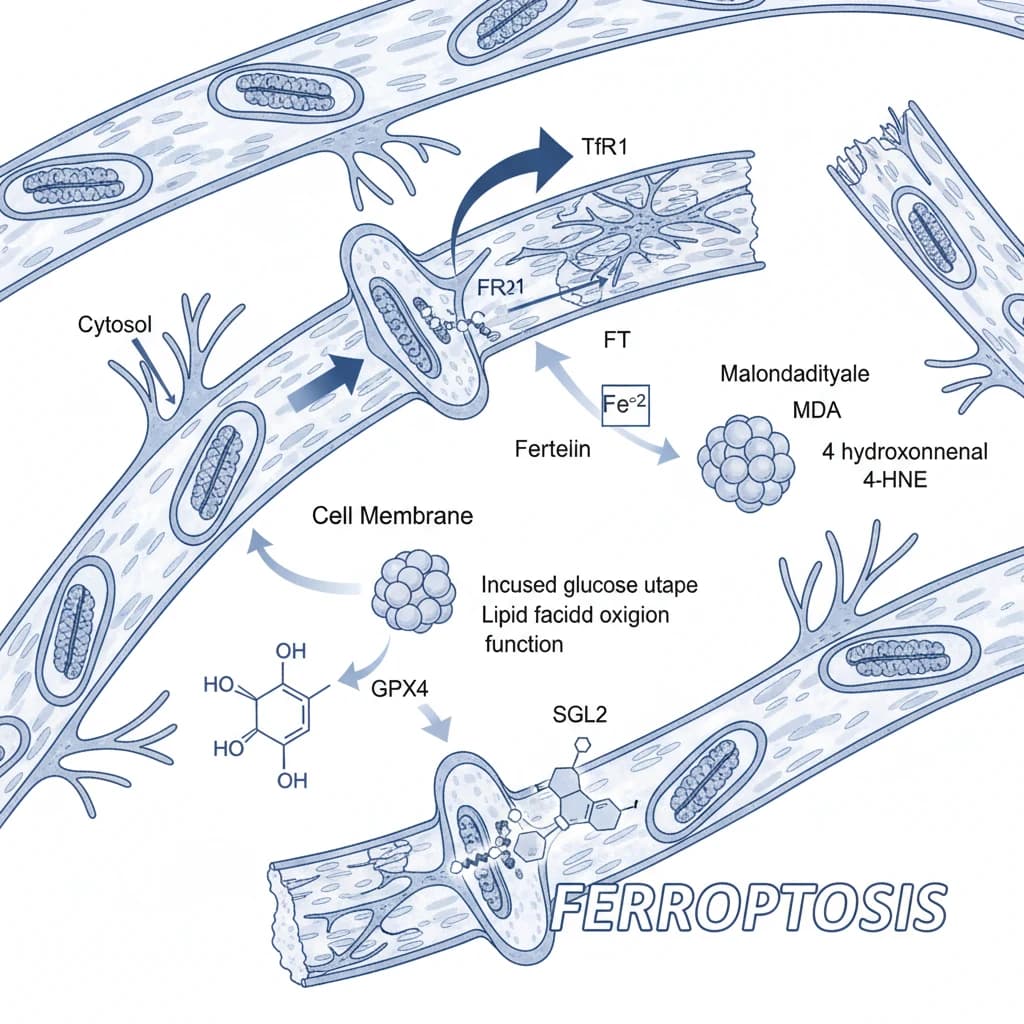
SGLT2 Inhibitors and Ferroptosis: A New Mechanistic Picture in HF
Emerging evidence links SGLT2 inhibitors' cardiac benefit to ferroptosis suppression, offering a potential mechanistic explanation for their efficacy in heart failure.

2025 AHA/ACC Hypertension Guidelines: What GPs Need Now
The 2025 AHA/ACC hypertension guidelines update prescribing priorities. Here is what the evidence says about antihypertensive management today.

Cephalosporin Prescribing Falls Short of Guidelines in Tertiary Care
New prospective data from South India and South Africa expose persistent gaps in cephalosporin appropriateness, de-escalation, and resistance-informed prescribing.

Dupilumab in Severe Asthma: Real-World Cohort Data Begin to Arrive
Three new studies examine dupilumab and biologic therapy in severe type 2 asthma, adding real-world weight to existing trial evidence.

JAK Inhibitors in RA: 2025 EULAR Safety Update Redraws Risk Guidance
The 2025 EULAR RA update revises JAK inhibitor safety guidance, with implications for prescribing in higher-risk patients.

Parkinson's Neuroprotection 2025: Three Strategies Under Review
Stem cell therapy, System Xc- pathway modulation, and Ayurvedic add-on regimens are each being evaluated as neuroprotective strategies in Parkinson's disease.

ctDNA Liquid Biopsy in Colorectal Cancer: Where the Evidence Sits Now
Three 2026 reviews map the current evidence for ctDNA and liquid biopsy in CRC detection and monitoring, and where integration lags behind the data.

PCSK9 Inhibitors Move Upstream: Evolocumab Tested in Diabetes Without Known Atherosclerosis
VESALIUS-CV tests evolocumab in diabetic patients without established atherosclerosis, while new trials probe plaque biology and lipid pathways beyond LDL.

Perilla Oil Nanoemulsion Improves Psoriasis Scores in Mouse Model
A perilla essential oil nanoemulsion reduced erythema, scaling, and inflammatory markers in imiquimod-induced psoriasis, with curcumin co-loading enhancing skin permeation.

SGLT2 Inhibitors Post-Heart Transplant: What the Data Show
A 2026 meta-analysis examines SGLT2 inhibitor use in diabetic heart transplant recipients, a population where evidence has been thin and stakes are high.

Addiction Recovery: A Canadian Perspective on a Global Crisis
The Canadian Academy for Addiction Psychiatry (CAAP) highlights the urgent need for enhanced mental health and <a href="https://thelifesciencefeed.com/keywords/addiction-treatment">addiction treatment</a> services, especially in the wake of the COVID-19 pandemic. Their commentary provides a framework that other countries might consider, although questions of scalability remain.

What Still Eludes Us in MASH Research?
MASH (metabolic dysfunction-associated steatohepatitis) is a complex disease, and while we've made strides, key mechanistic details remain elusive. This demands a sharper focus on translational studies that can directly inform clinical practice.

Health Literacy and Lung Cancer Diagnostic Delays
Patients with limited <a href="https://thelifesciencefeed.com/keywords/health-literacy">health literacy</a> experience significant delays in lung cancer diagnosis. This ultimately exacerbates existing health inequities and burdens the healthcare system.

Lorlatinib and New-Onset Diabetes Practical Monitoring for Oncologists
Patients on lorlatinib require vigilant monitoring for hyperglycemia and ketoacidosis, regardless of pre-existing diabetes risk factors. Proactive screening and early intervention are crucial to mitigate potential severe complications and ensure patient safety.

Lorlatinib and the Enigma of Autoantibody-Negative Diabetes
Patients on lorlatinib may develop diabetes with unusual characteristics, including the absence of typical autoantibodies. This presents a diagnostic challenge, requiring clinicians to consider drug-induced etiologies even when initial immunological markers are negative.

Do Condition-Specific Growth Charts Improve Care in Alagille Syndrome?
Growth charts tailored for Alagille Syndrome (ALGS) could refine the assessment of malnutrition in these children, but questions remain about their broad applicability. Clinicians should view these new charts cautiously, considering the limitations of the underlying data and the potential for misinterpretation.

Hemophilia Normalization's Price Tag and Policy Implications
Achieving 'normalization' in hemophilia care, while improving patient outcomes, introduces substantial financial burdens on healthcare systems. Payers must grapple with the high costs of novel therapies and ensure equitable access.

Health Literacy Gaps and Lung Cancer Diagnosis: A Policy Perspective
Patients with low health literacy and chronic conditions face significant delays in lung cancer diagnosis, impacting survival. Health systems must address these disparities through targeted interventions and policy changes to improve early detection and outcomes.
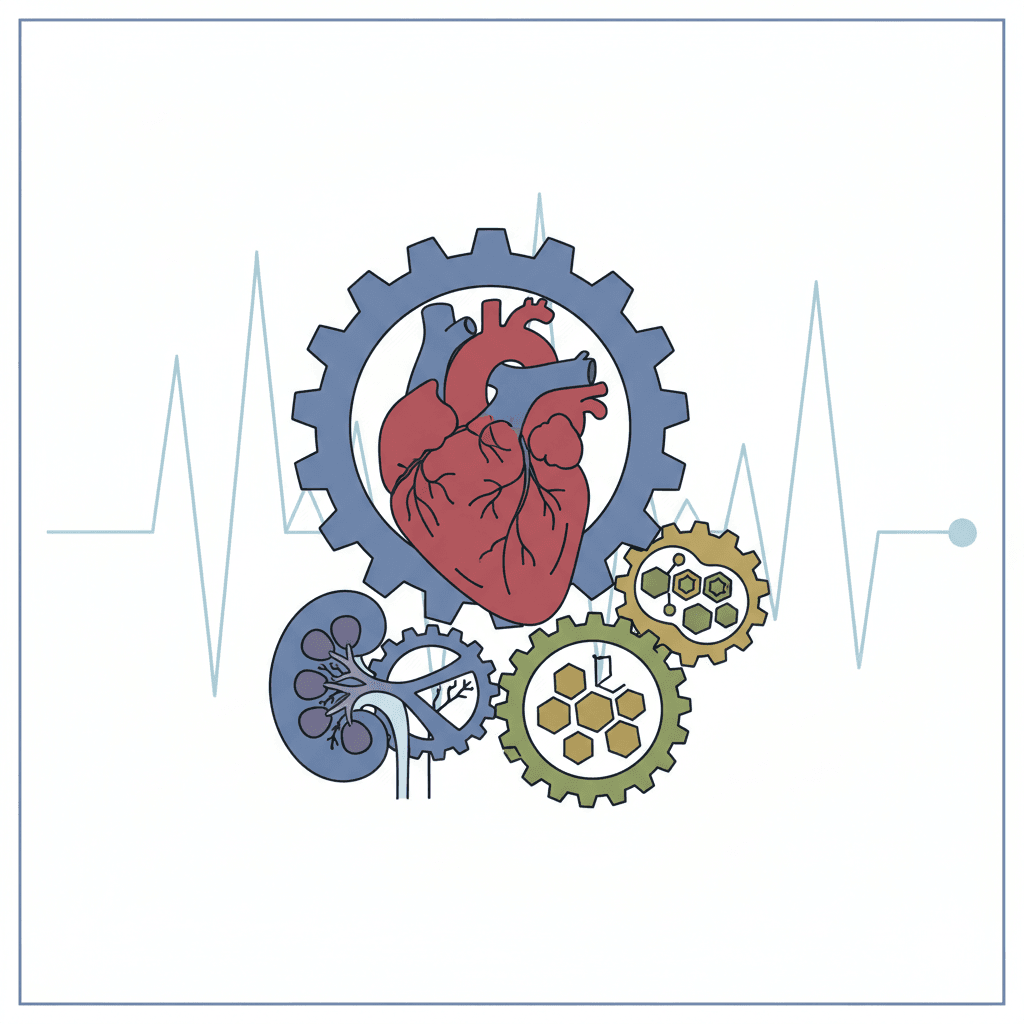
Atrial Fibrillation and Cardio-Kidney-Metabolic Risk: A Systemic Challenge
A new analysis highlights the complex interplay of cardio-kidney-metabolic (CKM) risk factors in patients with atrial fibrillation, underscoring the need for integrated care models. The study points to significant policy and reimbursement challenges in establishing multidisciplinary CKM clinics.

Unraveling MASH: Implications for Clinical Practice
A new review in <i>Nature Reviews Gastroenterology & Hepatology</i> clarifies the complex interplay of metabolism, inflammation, and fibrosis in metabolic dysfunction-associated steatohepatitis (MASH). This understanding translates to practical guidance for risk stratification and patient management in primary care settings.

Atrial Fibrillation Complexity: How Reliable is Registry Data?
Patients with atrial fibrillation often present with a complex interplay of cardio-kidney-metabolic conditions, but large registry data can oversimplify these interactions. Clinicians should interpret such observational findings cautiously, especially when considering individual patient management.

ECPR Rewarming: A Case for Prolonged Resuscitation?
Hypothermia can be protective, even in the face of cardiac arrest and severe coagulopathy. This case challenges the premature termination of resuscitation efforts in severely hypothermic patients undergoing extracorporeal cardiopulmonary resuscitation (ECPR).

TAVI and Aortic Dissection Risk: Is Valve Type a Factor?
Delayed aortic dissection following TAVI remains a rare, but devastating, complication. The question is whether balloon-expandable valves present a unique biomechanical risk compared to self-expanding alternatives.

SGLT2 Inhibitors: Promise and Peril in Prader-Willi Syndrome?
SGLT2 inhibitors show potential for managing glycemic control in Prader-Willi Syndrome, but clinicians must be vigilant about the risk of renal complications. This necessitates careful patient selection and close monitoring of kidney function throughout treatment.

Opportunistic Osteoporosis Screening from CT Scans A Validated Approach?
Using cranial CT scans for opportunistic osteoporosis screening shows promise, but concerns remain. Addressing methodological criticisms is essential for validating this approach in broader clinical practice.
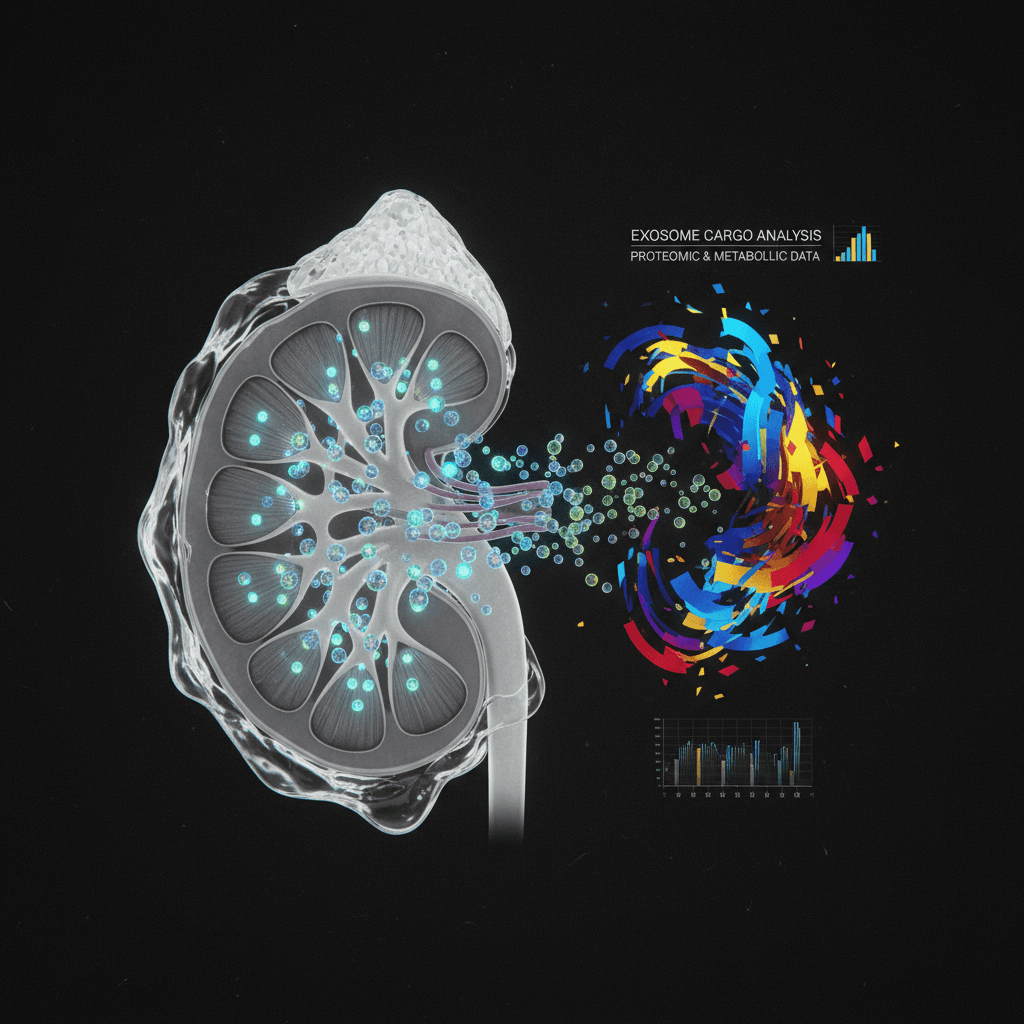
Kidney Disease Diagnosis: The Promise of Urinary Exosomes
Urinary exosomes offer a non-invasive route to understanding kidney health, potentially surpassing traditional urine protein measurements. This innovation could lead to earlier and more precise diagnoses of various <a href="https://thelifesciencefeed.com/keywords/kidney-diseases">kidney diseases</a>.

Metformin, Liraglutide, and Gut Microbiome Shifts in Youth-Onset T2D
Youth-onset type 2 diabetes (T2D) poses unique challenges, and this study sheds light on how common treatments like metformin and liraglutide impact the gut microbiome. Understanding these shifts may allow for more targeted therapies and improved outcomes in this vulnerable population.

Can Routine CT Scans Predict Osteoporosis Risk?
Opportunistic osteoporosis screening using cranial CT scans could identify patients at high risk of major osteoporotic fractures without additional radiation. But workflow integration and cost-effectiveness remain open questions.

Croatia's Primary Care Reform What It Means for Your Practice
Croatia's 2013 primary care payment reforms, transitioning to a mixed capitation and fee-for-service model, significantly impacted rural family practices. Understanding these shifts can help practices optimize patient panel sizes, preventative care strategies, and administrative efficiency in similar payment environments.

Endoluminal Markers Predict Crohn's Treatment Failure
Crohn's disease patients can experience a loss of response to therapy, requiring more intensive interventions. Identifying those at risk early using endoluminal parameters may allow for proactive treatment adjustments and improved outcomes.

Alagille Syndrome Growth Charts Improve Patient Care
Children with Alagille syndrome often have their growth misclassified using standard charts, leading to unnecessary anxiety and interventions. New condition-specific growth charts promise to provide a more accurate assessment, reducing the risk of over- or under-treatment.

SSEPs to Monitor Cerebral Perfusion During TCAR TAVR Procedures
Patients undergoing transcarotid transcatheter aortic valve replacement (TCAR TAVR) are at risk of stroke. Monitoring somatosensory-evoked potentials (SSEPs) could provide an early warning sign of cerebral hypoperfusion, allowing for immediate intervention to protect the brain.

Frailty Research Trends: What's Being Missed?
Frailty and nutrition are intertwined, yet research trends may overlook key aspects of this relationship. A bibliometric review highlights the exponential growth in publications but raises concerns about the scope and focus of current studies.

SGLT2 Inhibitors in Prader-Willi Syndrome: Weighing Renal Risks and Glycemic Control
Patients with Prader-Willi Syndrome (PWS) face unique metabolic challenges; SGLT2 inhibitors may offer some benefit, but careful monitoring is essential. This analysis highlights the need for rigorous trials to define the risk-benefit profile of SGLT2 inhibitors in this vulnerable population.

ATM Germline Mutations and Liver Adenomas in Adolescents: A Clinical Reminder
Young patients presenting with hepatocellular adenomas, especially in the absence of typical risk factors, warrant careful consideration for underlying germline mutations. Heightened vigilance and appropriate genetic testing can significantly impact surveillance strategies and potentially improve long-term outcomes.

Using Growth Charts in Alagille Syndrome
Children with Alagille Syndrome often exhibit unique growth patterns that are poorly captured by standard growth charts. Implementing condition-specific growth charts can improve the identification of malnutrition and inform targeted nutritional interventions, leading to better health outcomes.

Moving Beyond Deficiencies: Normalization Strategies in Hemophilia Care
The concept of 'normalization' in hemophilia care shifts the focus from merely preventing bleeds to enabling patients to live full, unrestricted lives. Clinicians need to proactively address lifestyle goals, activity levels, and psychosocial well-being in addition to managing factor levels.

Improving PID Diagnosis with Machine Learning Phenotype Profiling
Machine learning offers a promising avenue for quicker and more accurate diagnosis of primary immune dysregulation (PID), potentially reducing the diagnostic odyssey for affected patients. However, clinicians should view these tools as aids, not replacements, for thorough clinical evaluation and expert immunological assessment.

SGLT2 Inhibitors in Prader-Willi Syndrome: Weighing Renal Risks
Patients with Prader-Willi Syndrome (PWS) present unique challenges when considering SGLT2 inhibitors due to their metabolic and behavioral complexities. Vigilant monitoring for euglycemic DKA and proactive management of dehydration risks are paramount when using these agents in this vulnerable population.
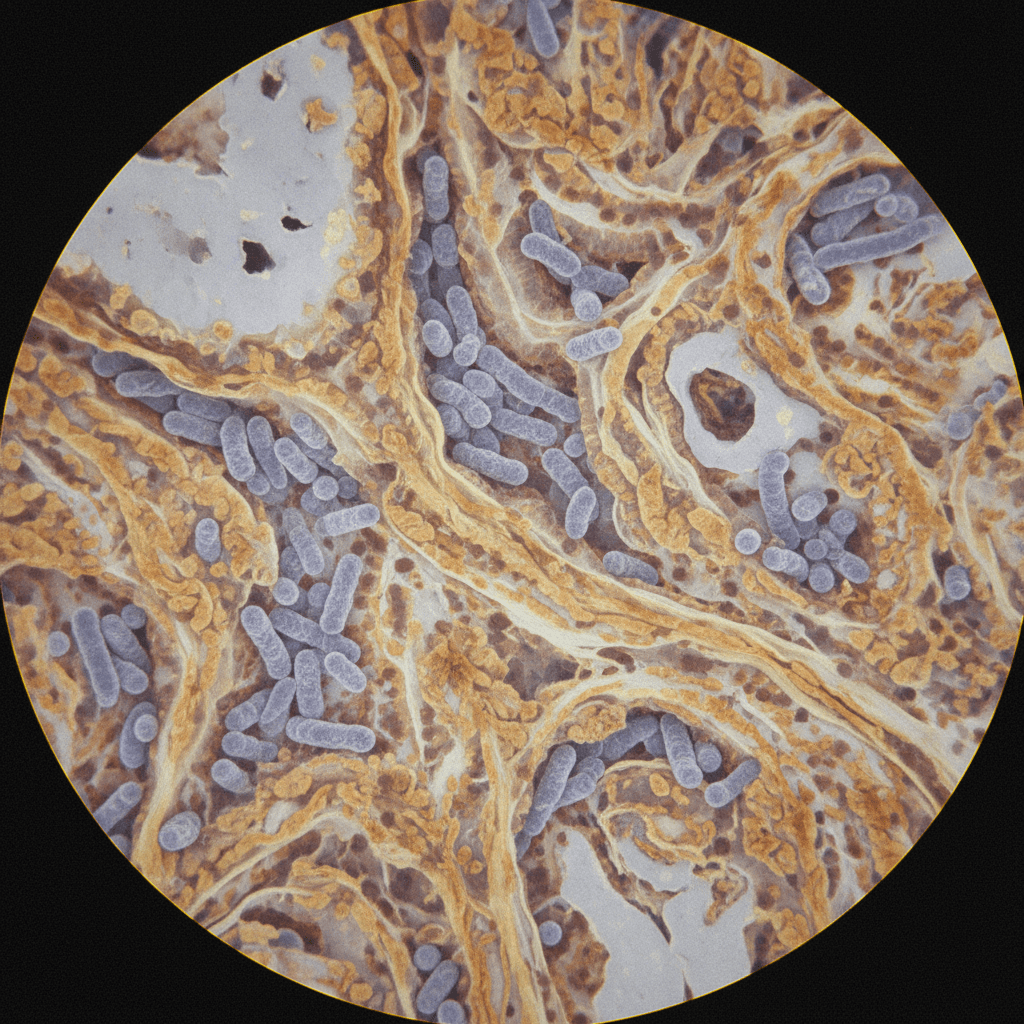
Systemic Sclerosis and Pulmonary Tuberculosis Risk
Patients with systemic sclerosis (SSc) face an elevated risk of opportunistic infections, particularly pulmonary tuberculosis (TB), especially in high-burden countries. This case highlights the need for heightened surveillance and tailored screening strategies in this vulnerable population.